Ashwagandha Dosage: How Much to Take?

Ashwagandha, scientifically known as Withania somnifera, has gained tremendous popularity as an adaptogenic herb that may help manage stress, improve sleep quality, and support overall wellness. However, one of the most common questions among users is determining the optimal dosage for maximum benefits while ensuring safety. Understanding proper ashwagandha dosage is crucial because taking too … Read more

Ashwagandha Benefits: What Science Says

Ashwagandha, scientifically known as Withania somnifera, has emerged as one of the most extensively researched adaptogenic herbs in modern supplement science. This ancient Ayurvedic remedy, often called “Indian winter cherry” or “Indian ginseng,” has garnered significant attention from researchers and health enthusiasts alike for its potential therapeutic benefits. As interest in natural health solutions continues … Read more

Fish Oil vs Krill Oil: Which is Better?

When it comes to omega-3 fatty acid supplements, two marine-based options dominate the market: fish oil and krill oil. Both provide essential EPA (eicosapentaenoic acid) and DHA (docosahexaenoic acid) fatty acids that our bodies cannot produce efficiently on their own. However, these supplements differ significantly in their source, composition, bioavailability, and potential health benefits. Understanding … Read more

Omega-3 Benefits: What Research Shows

Omega-3 fatty acids have emerged as one of the most thoroughly researched nutrients in modern science, with thousands of studies exploring their potential health benefits. These essential fats, which our bodies cannot produce on their own, play crucial roles in everything from brain function to heart health. As interest in preventive healthcare continues to grow, … Read more

Magnesium Glycinate vs Citrate: Which is Better?

When it comes to magnesium supplementation, two forms consistently rise to the top of consumers’ lists: magnesium glycinate and magnesium citrate. Both offer unique benefits and have earned their place in the supplement world, but understanding their differences can help you make an informed decision about which one aligns best with your health goals. Magnesium … Read more

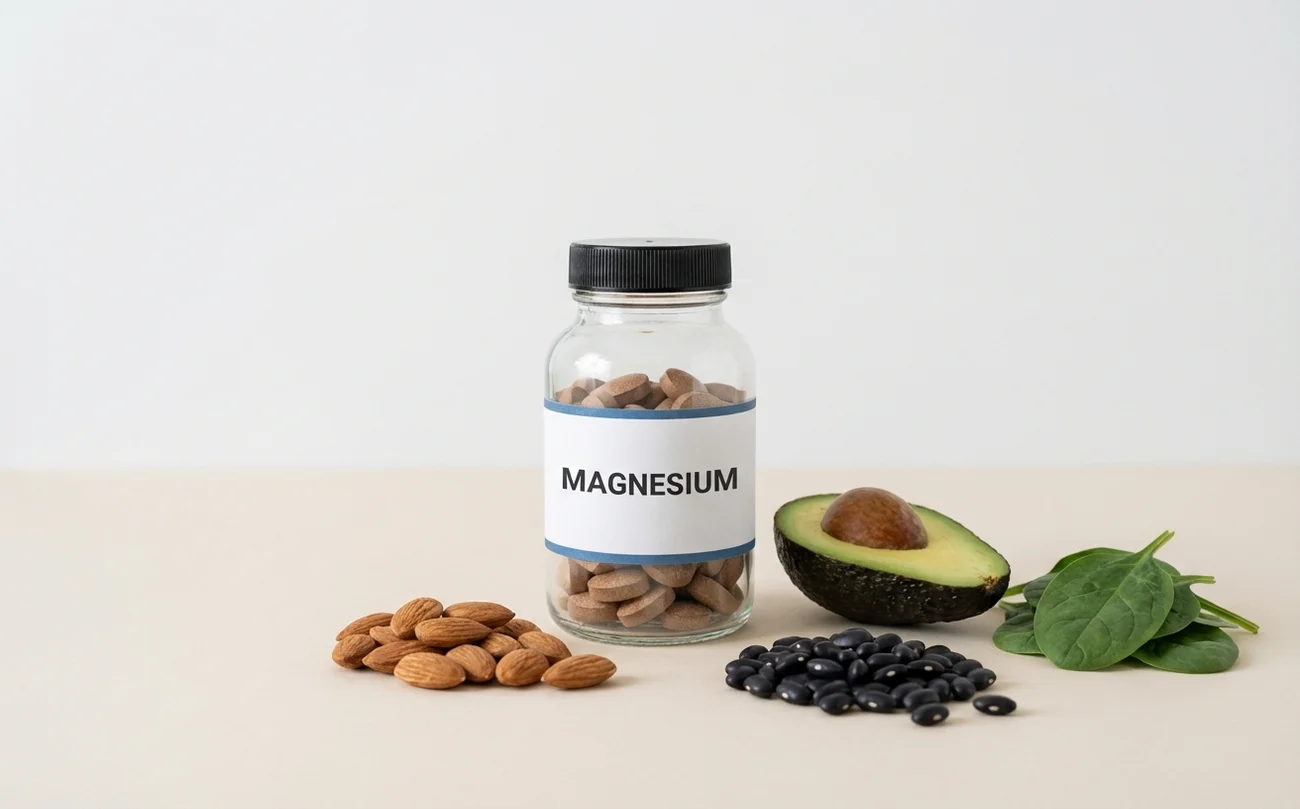
Magnesium Dosage: How Much Per Day?

Magnesium is one of the most essential minerals your body needs to function properly, yet many people don’t get enough of it from their diet alone. This vital nutrient plays a role in over 300 enzymatic reactions in your body, supporting everything from muscle and nerve function to energy production and bone health. Understanding the … Read more

Vitamin D Deficiency: Signs and Symptoms

Vitamin D, often called the “sunshine vitamin,” plays a crucial role in maintaining optimal health throughout the human body. Despite its importance, vitamin D deficiency has become a global health concern, affecting an estimated one billion people worldwide. This fat-soluble vitamin is unique because our bodies can produce it when skin is exposed to sunlight, … Read more

Vitamin B12 Deficiency: Warning Signs

Vitamin B12, also known as cobalamin, is an essential nutrient that plays a crucial role in maintaining your body’s nervous system, producing red blood cells, and supporting DNA synthesis. Despite its importance, vitamin B12 deficiency affects millions of people worldwide, often going undiagnosed for years due to its subtle onset and varied symptoms. Understanding the … Read more

Melatonin Dosage: How Much for Sleep?

Melatonin supplements - health benefits and dosage guide

Melatonin has become one of the most popular sleep supplements worldwide, with millions of people turning to this naturally occurring hormone to help regulate their sleep-wake cycle. However, despite its widespread use, many people remain confused about the optimal dosage for achieving better sleep quality. Understanding the right amount of melatonin to take is crucial … Read more

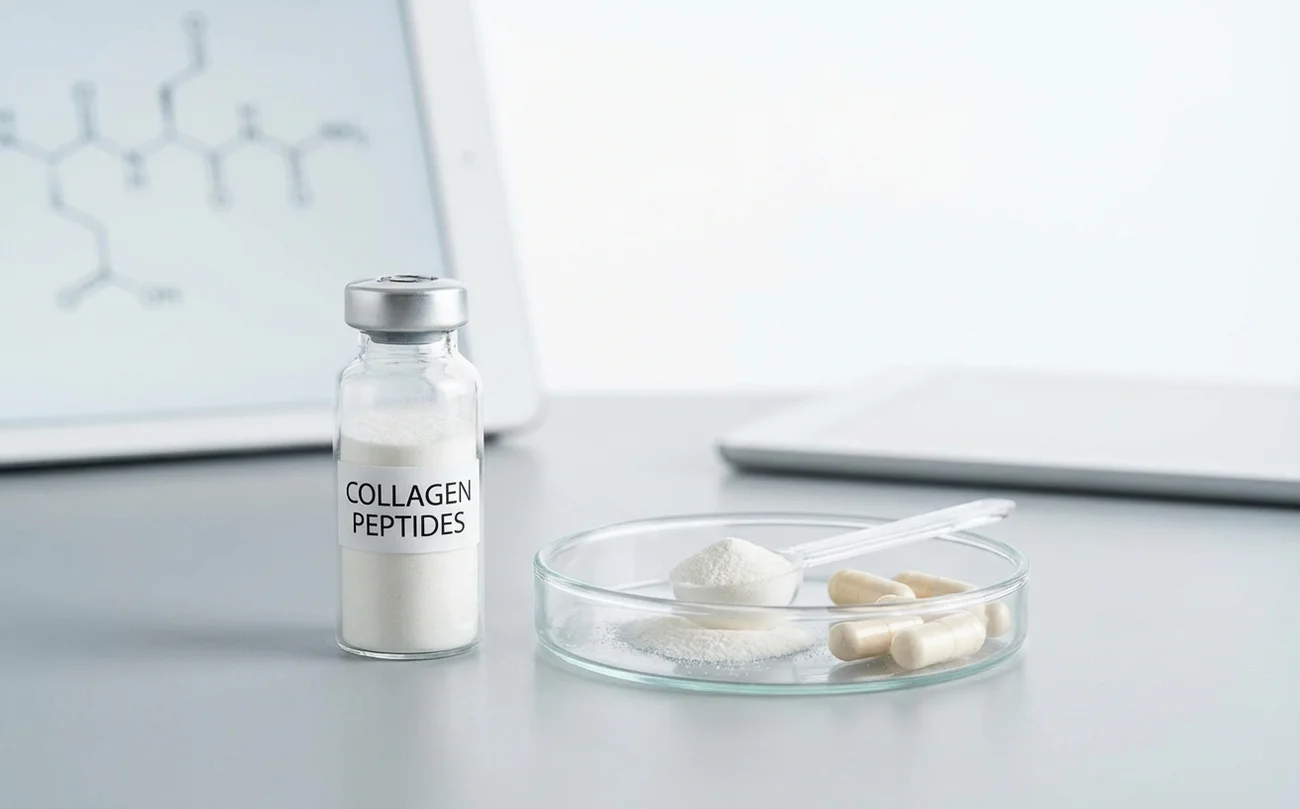
What is Collagen: Complete Guide

Collagen is the most abundant protein in the human body, making up approximately 25-35% of our total protein content. This essential structural protein acts as the scaffolding that holds our body together, providing strength and structure to our skin, bones, muscles, tendons, and ligaments. As we age, our natural collagen production decreases, leading many people … Read more