
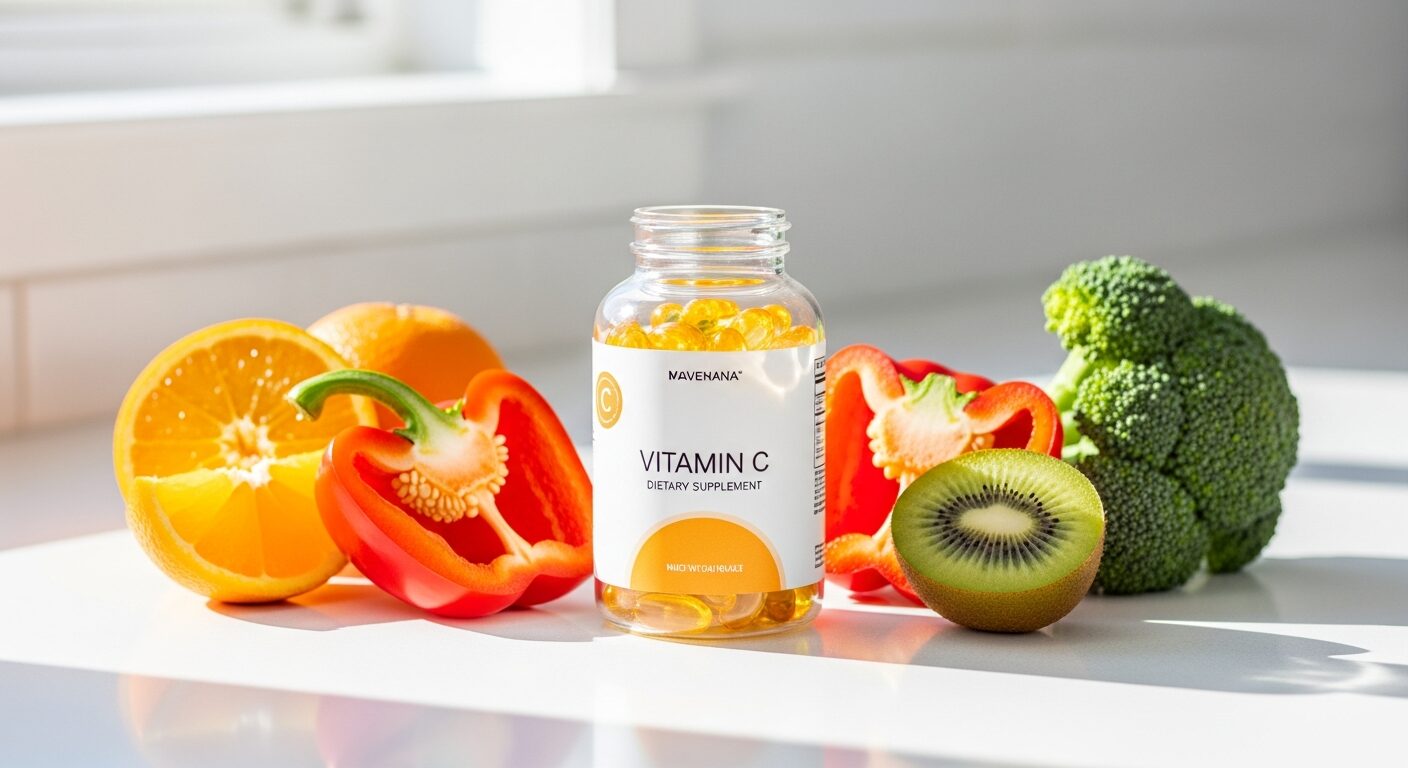
Vitamin C stands as one of the most powerful antioxidants for maintaining healthy, radiant skin. This essential nutrient plays crucial roles in collagen synthesis, wound healing, and protecting against environmental damage. While many people associate vitamin C primarily with immune support, its benefits for skin health are equally impressive and scientifically well-documented.
Understanding how to properly use vitamin C for your skin can help you maximize its anti-aging and protective benefits while avoiding common mistakes that reduce its effectiveness.
Contents
The Science Behind Vitamin C and Skin Health
Vitamin C, also known as L-ascorbic acid, is a water-soluble vitamin that cannot be produced by the human body. This means we must obtain it through diet or supplementation. For skin health, vitamin C functions as a cofactor in collagen synthesis, helping to maintain skin structure and elasticity.
The skin contains some of the highest concentrations of vitamin C in the body, particularly in the epidermis and dermis layers. However, these levels naturally decline with age, sun exposure, and environmental stressors, making supplementation increasingly important for maintaining optimal skin health.
Collagen Production and Skin Structure
Collagen represents about 75% of skin’s dry weight and provides the structural framework that keeps skin firm and elastic. Vitamin C is essential for the hydroxylation of proline and lysine, amino acids that are crucial for stable collagen formation. Without adequate vitamin C, the body produces weak, unstable collagen that cannot effectively support skin structure.
Key Benefits of Vitamin C for Skin
Anti-Aging Properties
Research demonstrates that vitamin C supplementation can significantly improve skin appearance and reduce signs of aging. Pullar et al., 2017 found that higher vitamin C intake was associated with better skin appearance and reduced skin wrinkling in middle-aged women.
The anti-aging benefits include:
- Increased collagen production leading to firmer skin
- Reduced appearance of fine lines and wrinkles
- Improved skin elasticity and texture
- Enhanced skin hydration and barrier function
Antioxidant Protection
Vitamin C serves as a potent antioxidant, neutralizing free radicals that cause oxidative stress and premature aging. Daily exposure to UV radiation, pollution, and other environmental factors generates reactive oxygen species that damage skin cells and break down collagen.
By scavenging these harmful molecules, vitamin C helps prevent:
- Photo-aging from UV exposure
- Environmental damage from pollution
- Inflammation-related skin issues
- Uneven skin tone and dark spots
Wound Healing and Repair
Vitamin C plays a critical role in wound healing by supporting various cellular processes involved in tissue repair. It enhances the migration and proliferation of fibroblasts, cells responsible for producing new collagen and other structural proteins.
This translates to:
- Faster healing of minor cuts and blemishes
- Reduced scarring and improved skin recovery
- Enhanced skin barrier repair
- Better overall skin resilience
Brightening and Even Tone
Vitamin C inhibits tyrosinase, an enzyme involved in melanin production. This action helps reduce hyperpigmentation and promotes a more even skin tone. Regular vitamin C use can help fade dark spots, age spots, and post-inflammatory hyperpigmentation.
How to Use Vitamin C for Optimal Skin Benefits
Topical Application
Topical vitamin C serums and creams deliver the nutrient directly to skin cells, providing concentrated benefits. The most effective forms for topical use include:
- L-Ascorbic Acid: The most potent form but can be unstable and irritating
- Magnesium Ascorbyl Phosphate: More stable and gentler for sensitive skin
- Sodium Ascorbyl Phosphate: Stable and effective for acne-prone skin
- Ascorbyl Glucoside: Gentle and suitable for daily use
For optimal results, apply topical vitamin C to clean skin in the morning, followed by sunscreen. Start with lower concentrations (10-15%) and gradually increase as your skin builds tolerance.
Oral Supplementation
Internal vitamin C supplementation supports skin health from within by ensuring adequate levels for collagen synthesis and antioxidant protection. Cosgrove et al., 2007 demonstrated that higher dietary vitamin C intake was associated with better skin appearance and fewer wrinkles in a large population study.
Recommended approaches for oral supplementation:
- Daily doses of 500-1000mg for general skin health
- Higher doses (up to 2000mg) may be beneficial for specific concerns
- Divide doses throughout the day for better absorption
- Choose buffered forms to reduce stomach irritation
Dietary Sources
While supplementation can be beneficial, obtaining vitamin C from whole foods provides additional nutrients and compounds that support skin health. Excellent dietary sources include:
- Citrus fruits (oranges, lemons, grapefruits)
- Berries (strawberries, blueberries, raspberries)
- Tropical fruits (kiwi, papaya, guava)
- Vegetables (bell peppers, broccoli, Brussels sprouts)
- Leafy greens (spinach, kale, arugula)
Maximizing Vitamin C Effectiveness
Combination with Other Nutrients
Vitamin C works synergistically with other nutrients to enhance its skin benefits. Key combinations include:
- Vitamin E: Regenerates vitamin C and provides additional antioxidant protection
- Ferulic Acid: Stabilizes vitamin C and enhances its antioxidant activity
- Collagen Peptides: Provides building blocks for collagen synthesis
- Hyaluronic Acid: Enhances hydration and skin plumping effects
Timing and Application Tips
To maximize vitamin C benefits:
- Apply topical vitamin C to clean, dry skin
- Wait 10-15 minutes before applying other products
- Store vitamin C products in cool, dark places
- Use sunscreen daily as vitamin C can increase photosensitivity
- Take oral supplements with meals to improve absorption
Potential Side Effects and Considerations
While vitamin C is generally safe, some individuals may experience side effects, particularly with high doses or certain formulations. Common issues include:
- Skin irritation or redness with topical use
- Digestive upset with high oral doses
- Increased sun sensitivity
- Potential interactions with certain medications
Telang, 2013 notes that while vitamin C is essential for skin health, proper dosing and formulation selection are crucial for optimal benefits and minimal side effects.
🌿 Looking for Vitamin C Supplements?
Browse top-rated Vitamin C supplements, independently tested and recommended by our editorial team.
Affiliate disclosure: We may earn a small commission at no extra cost to you.
Frequently Asked Questions
How long does it take to see results from vitamin C for skin?
Most people begin to notice improvements in skin texture and brightness within 2-4 weeks of consistent use. More significant changes in fine lines and skin firmness typically become apparent after 6-8 weeks of regular supplementation or topical application.
Can I use vitamin C serum every day?
Yes, most people can use vitamin C serum daily once their skin has adapted to it. Start with every other day for the first week, then gradually increase to daily use. Always follow with sunscreen during the day.
What’s better for skin: topical vitamin C or oral supplements?
Both approaches offer benefits. Topical vitamin C provides direct, concentrated delivery to skin cells, while oral supplements support overall skin health from within. Many experts recommend combining both approaches for optimal results.
Should I take vitamin C supplements if I eat a healthy diet?
Even with a healthy diet, supplementation can be beneficial for skin health, especially if you’re dealing with specific concerns like aging or environmental damage. The therapeutic doses used for skin benefits often exceed what’s easily obtainable from food alone.
Can vitamin C cause skin purging or breakouts?
Vitamin C typically doesn’t cause purging like some other skincare ingredients. However, some people may experience initial breakouts if they’re sensitive to the formulation or using too high a concentration too quickly. Start slowly and choose appropriate formulations for your skin type.
Medical Disclaimer
The information provided in this article is for educational purposes only and is not intended to replace professional medical advice, diagnosis, or treatment. Always consult with a qualified healthcare provider before starting any new supplement regimen, especially if you have existing health conditions, are pregnant or nursing, or are taking medications. Individual results may vary, and what works for one person may not work for another. If you experience any adverse reactions to vitamin C supplementation or topical application, discontinue use and consult a healthcare professional.