
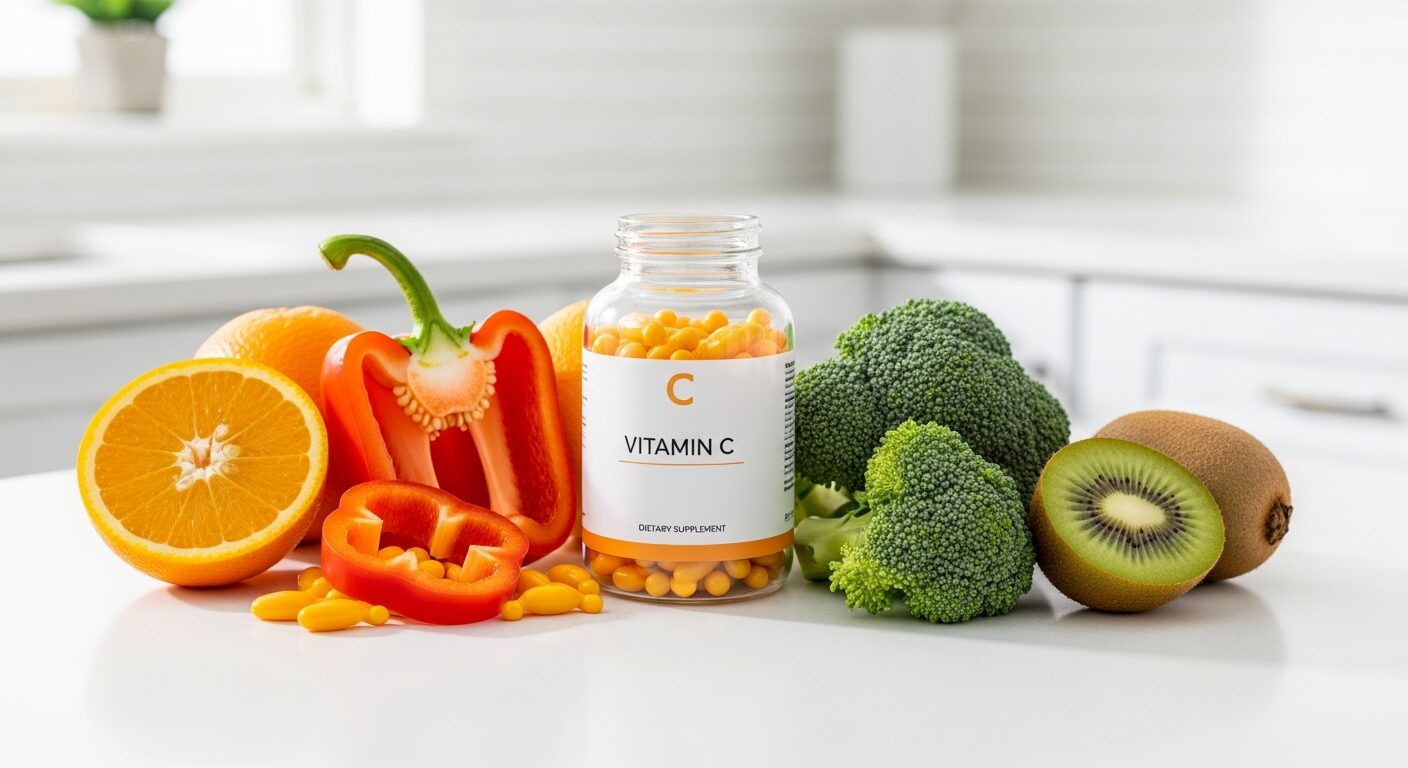
Vitamin C, also known as ascorbic acid, stands as one of the most essential and well-researched nutrients in human health. This water-soluble vitamin plays crucial roles in countless biological processes, from supporting immune function to maintaining healthy skin and connective tissues. Unlike many animals, humans cannot produce vitamin C naturally, making dietary intake and supplementation vital for optimal health. Understanding this remarkable nutrient can help you make informed decisions about your daily nutrition and wellness routine.
Contents
What is Vitamin C?
Vitamin C is a water-soluble vitamin that serves as a powerful antioxidant and cofactor for numerous enzymatic reactions in the body. Chemically known as L-ascorbic acid, this essential nutrient was first isolated in 1928 and has since become one of the most studied vitamins in nutritional science.
As a water-soluble vitamin, vitamin C cannot be stored in large quantities by the body, unlike fat-soluble vitamins such as A, D, E, and K. This characteristic means that regular daily intake through food or supplements is necessary to maintain adequate levels and prevent deficiency.
Chemical Structure and Properties
Vitamin C exists in several forms, with L-ascorbic acid being the most biologically active. The molecule features a unique structure that allows it to donate electrons easily, making it an excellent antioxidant. This electron-donating capacity enables vitamin C to neutralize harmful free radicals and protect cells from oxidative damage.
The vitamin’s instability in light, heat, and air has important implications for food storage and supplement manufacturing. This sensitivity explains why fresh fruits and vegetables typically contain higher vitamin C levels than processed or stored foods.
Functions and Benefits of Vitamin C
Antioxidant Protection
One of vitamin C’s most important roles involves protecting cells from oxidative stress. As a potent antioxidant, it neutralizes free radicals that can damage cellular structures, including DNA, proteins, and lipids. This protective function helps reduce the risk of chronic diseases and supports overall cellular health.
The vitamin works synergistically with other antioxidants, including vitamin E, to provide comprehensive cellular protection. When vitamin E neutralizes free radicals, vitamin C helps regenerate vitamin E back to its active form, creating a powerful antioxidant network.
Collagen Synthesis
Vitamin C serves as an essential cofactor for collagen synthesis, the most abundant protein in the human body. Collagen provides structural support for skin, bones, cartilage, tendons, and blood vessels. Without adequate vitamin C, the body cannot produce stable collagen, leading to weakened connective tissues.
This function explains vitamin C’s importance for wound healing, skin health, and maintaining strong blood vessels. The vitamin’s role in collagen production also supports bone health and may help prevent age-related joint problems.
Immune System Support
Research consistently demonstrates vitamin C’s crucial role in supporting immune function. The vitamin enhances the production and function of white blood cells, including neutrophils, lymphocytes, and phagocytes, which help protect the body against infections.
Vitamin C and Immune Function, 2017 shows that adequate vitamin C intake can reduce the duration and severity of common cold symptoms, particularly in individuals under physical stress.
Iron Absorption Enhancement
Vitamin C significantly improves the absorption of non-heme iron, the type of iron found in plant-based foods and supplements. The vitamin converts iron from its ferric form to the more easily absorbed ferrous form, making it particularly beneficial for vegetarians and individuals at risk of iron deficiency.
Recommended Daily Intake
The recommended daily allowance (RDA) for vitamin C varies based on age, gender, and life circumstances. Adult men require 90 milligrams daily, while adult women need 75 milligrams. Pregnant and breastfeeding women have higher requirements at 85 and 120 milligrams, respectively.
Smokers need an additional 35 milligrams daily due to increased oxidative stress and faster vitamin C turnover. Individuals exposed to high levels of environmental pollution or chronic stress may also benefit from higher intakes.
Upper Intake Levels
The tolerable upper intake level for vitamin C is set at 2,000 milligrams daily for adults. Exceeding this amount may cause gastrointestinal symptoms such as nausea, diarrhea, and stomach cramps. However, vitamin C toxicity is rare due to the body’s limited absorption capacity and rapid excretion of excess amounts.
Food Sources of Vitamin C
Numerous fruits and vegetables provide excellent sources of vitamin C. Citrus fruits like oranges, lemons, and grapefruits are well-known sources, but many other foods contain even higher concentrations.
Top Vitamin C Rich Foods
Red bell peppers contain more vitamin C per serving than most citrus fruits, providing approximately 190 milligrams per cup. Other excellent sources include strawberries, kiwi fruit, cantaloupe, papaya, and pineapple.
Vegetable sources include broccoli, Brussels sprouts, cauliflower, and leafy greens like kale and spinach. Potatoes and tomatoes also contribute significant amounts to many people’s daily intake.
Factors Affecting Vitamin C Content
Food processing, storage time, and cooking methods significantly impact vitamin C content. Fresh, raw fruits and vegetables typically provide the highest levels. Minimal cooking methods like steaming or microwaving help preserve vitamin C better than boiling or prolonged cooking.
Vitamin C Deficiency
Severe vitamin C deficiency leads to scurvy, a disease characterized by bleeding gums, joint pain, fatigue, and delayed wound healing. While scurvy is rare in developed countries, subclinical deficiency remains more common than many realize.
Risk Factors for Deficiency
Certain populations face higher risks of vitamin C deficiency, including elderly individuals with limited access to fresh produce, people with eating disorders, smokers, and those with certain medical conditions affecting nutrient absorption.
Vitamin C Status in Population Groups, 2013 indicates that inadequate intake remains a concern in various demographic groups, particularly those with limited dietary variety.
Vitamin C Supplementation
While obtaining vitamin C from whole foods is ideal, supplementation can help individuals meet their daily requirements when dietary intake is insufficient. Supplements come in various forms, including ascorbic acid, sodium ascorbate, and mineral ascorbates.
Types of Vitamin C Supplements
Pure ascorbic acid remains the most common and cost-effective form. Buffered forms like sodium ascorbate or magnesium ascorbate may be gentler on the stomach for sensitive individuals. Time-release formulations aim to provide steady vitamin C levels throughout the day.
Some supplements combine vitamin C with bioflavonoids, natural compounds found in citrus fruits that may enhance absorption and provide additional antioxidant benefits.
Optimal Timing and Dosage
Due to vitamin C’s water-soluble nature, dividing daily intake into smaller doses throughout the day may improve absorption and utilization. Taking supplements with meals can reduce potential stomach upset and may enhance absorption.
Pharmacokinetics of Vitamin C, 2005 demonstrates that the body’s absorption efficiency decreases as single-dose amounts increase, supporting the strategy of divided dosing.
Special Considerations
Certain medical conditions and medications can affect vitamin C needs and metabolism. Individuals with kidney disease should consult healthcare providers before taking high-dose supplements, as excessive vitamin C can potentially contribute to kidney stone formation in susceptible people.
People taking blood-thinning medications should monitor their vitamin C intake, as high doses might affect medication effectiveness. Additionally, individuals undergoing certain medical tests should be aware that vitamin C can interfere with some laboratory results.
🌿 Looking for Vitamin C Supplements?
Browse top-rated Vitamin C supplements, independently tested and recommended by our editorial team.
Affiliate disclosure: We may earn a small commission at no extra cost to you.
Frequently Asked Questions
Can you take too much vitamin C?
While vitamin C is generally safe, taking more than 2,000 mg daily can cause digestive upset including nausea, diarrhea, and stomach cramps. The body naturally limits absorption and excretes excess amounts through urine.
Does vitamin C prevent colds?
Regular vitamin C supplementation may reduce cold duration and severity, particularly in people under physical stress, but it doesn’t typically prevent colds in the general population. Maintaining adequate levels supports overall immune function.
What’s the best time to take vitamin C?
Vitamin C can be taken anytime, but taking it with meals may reduce stomach irritation and improve absorption. Dividing larger doses throughout the day optimizes utilization since the body can only absorb limited amounts at once.
Are natural and synthetic vitamin C different?
Chemically, natural and synthetic ascorbic acid are identical and equally effective. Natural sources may provide additional beneficial compounds like bioflavonoids, but synthetic vitamin C offers the same core benefits at a lower cost.
How do I know if I’m getting enough vitamin C?
Most people meeting the daily recommended intake through a varied diet with fruits and vegetables get sufficient vitamin C. Signs of deficiency include fatigue, slow wound healing, frequent infections, and bleeding gums, though these symptoms can have other causes.
Medical Disclaimer
The information provided in this article is for educational purposes only and is not intended as medical advice. Always consult with a qualified healthcare professional before starting any new supplement regimen, especially if you have existing health conditions, are pregnant or breastfeeding, or are taking medications. Individual nutritional needs may vary, and what works for one person may not be appropriate for another.