
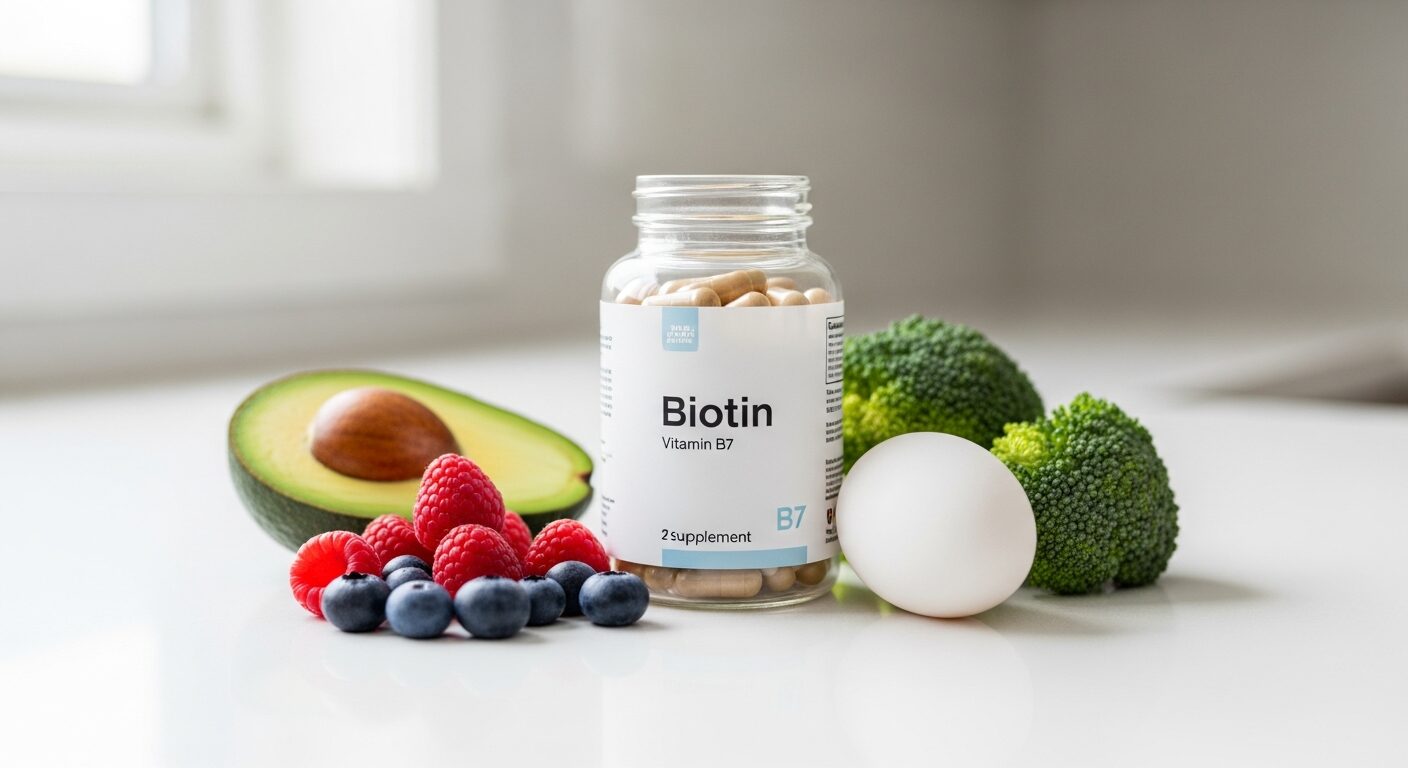
Biotin, also known as vitamin B7 or vitamin H, is a water-soluble B-complex vitamin that plays a crucial role in numerous metabolic processes throughout the human body. This essential micronutrient serves as a coenzyme for several important enzymes involved in fatty acid synthesis, amino acid metabolism, and glucose production. Despite being required in relatively small amounts, biotin deficiency can lead to significant health complications, making it an important consideration for optimal wellness.
Originally discovered in the early 20th century, biotin derives its name from the Greek word “biotos,” meaning life or sustenance. This vitamin has gained considerable attention in recent years, particularly for its potential benefits in supporting healthy hair, skin, and nails, though its physiological functions extend far beyond cosmetic applications.
Contents
The Science Behind Biotin
Biotin functions as a prosthetic group for five essential carboxylase enzymes in humans. These enzymes catalyze critical reactions in gluconeogenesis, fatty acid synthesis, and the catabolism of branched-chain amino acids. The vitamin’s molecular structure consists of a ureido ring fused with a tetrahydrothiophene ring, with a valeric acid side chain that allows it to bind covalently to specific lysine residues in carboxylase enzymes.
The biotin-dependent carboxylases include acetyl-CoA carboxylase (ACC1 and ACC2), pyruvate carboxylase, propionyl-CoA carboxylase, and 3-methylcrotonyl-CoA carboxylase. Each enzyme plays a distinct role in cellular metabolism, making biotin indispensable for normal physiological function.
Cellular Functions and Metabolism
At the cellular level, biotin participates in gene regulation through its interaction with histones, the proteins around which DNA is wrapped. This epigenetic function may influence the expression of genes involved in glucose metabolism and cell cycle regulation. Biotin deficiency decreases life span and causes abnormal morphology in Drosophila melanogaster, 2004 demonstrates the fundamental importance of this vitamin for cellular health and longevity.
Health Benefits and Functions
Biotin’s most well-established functions relate to macronutrient metabolism and energy production. The vitamin enables the body to efficiently process carbohydrates, fats, and proteins, converting them into usable energy forms. This metabolic support is particularly important during periods of increased energy demand, such as pregnancy, lactation, and intense physical activity.
Hair, Skin, and Nail Health
While often marketed primarily for cosmetic benefits, biotin’s role in maintaining healthy hair, skin, and nails stems from its involvement in keratin production. Keratin is a structural protein that forms the primary component of hair, skin, and nail tissues. Biotin deficiency can manifest as hair thinning, brittle nails, and various dermatological conditions, including seborrheic dermatitis and alopecia.
Blood Sugar Regulation
Research suggests that biotin may play a role in glucose homeostasis and insulin sensitivity. The vitamin’s involvement in gluconeogenesis and its potential effects on gene expression related to glucose metabolism make it relevant for blood sugar management. Some studies have investigated biotin supplementation in individuals with type 2 diabetes, showing promising results for glucose control.
Neurological Function
Biotin crosses the blood-brain barrier and is essential for proper nervous system function. The vitamin supports myelin synthesis, which is crucial for nerve signal transmission. Biotin deficiency can result in neurological symptoms including depression, lethargy, hallucinations, and peripheral neuropathy.
Biotin Deficiency: Causes and Symptoms
True biotin deficiency is relatively rare in healthy individuals consuming a varied diet, as the vitamin is widely distributed in foods and can be synthesized by intestinal bacteria. However, certain conditions and circumstances can increase the risk of deficiency.
Risk Factors for Deficiency
Pregnancy and lactation increase biotin requirements, as the vitamin is actively transported across the placenta and concentrated in breast milk. Long-term consumption of raw egg whites can also lead to deficiency due to avidin, a protein that binds biotin and prevents its absorption. Other risk factors include prolonged antibiotic use, certain genetic disorders affecting biotin metabolism, and chronic alcohol consumption.
Signs and Symptoms
Early signs of biotin deficiency may include thinning hair, loss of hair color, brittle nails, and a characteristic facial rash known as “biotin deficiency facies.” As deficiency progresses, individuals may experience fatigue, depression, muscle pain, and neurological symptoms such as tingling in the extremities. In severe cases, deficiency can lead to seizures, developmental delays in children, and immune system dysfunction.
Dietary Sources and Absorption
Biotin is naturally present in a wide variety of foods, though the bioavailability varies significantly depending on the source. The vitamin exists in both free and protein-bound forms, with the bound form requiring enzymatic digestion for absorption.
Best Food Sources
Excellent dietary sources of biotin include organ meats (particularly liver), egg yolks, nuts and seeds (especially almonds and sunflower seeds), legumes, whole grains, and certain vegetables like sweet potatoes and spinach. Fish, dairy products, and avocados also provide moderate amounts of biotin. Biotin content of selected foods, 1999 provides comprehensive data on the biotin content of various food sources.
Absorption and Bioavailability
Biotin absorption occurs primarily in the small intestine through both passive diffusion and active transport mechanisms. The sodium-dependent multivitamin transporter (SMVT) facilitates biotin uptake at physiological concentrations. Factors that may impair absorption include gastrointestinal disorders, certain medications, and the presence of avidin or other biotin-binding proteins.
Supplementation Guidelines
The adequate intake (AI) for biotin varies by age and life stage, ranging from 5 micrograms daily for infants to 30 micrograms for adults. Pregnant and lactating women have slightly higher requirements at 30 and 35 micrograms, respectively.
When to Consider Supplementation
Most individuals can meet their biotin needs through diet alone, but supplementation may be beneficial for those at risk of deficiency or with increased requirements. This includes pregnant and breastfeeding women, individuals with certain genetic disorders, those taking specific medications, and people with gastrointestinal conditions that impair nutrient absorption.
Safety and Interactions
Biotin supplementation is generally considered safe, as excess amounts are readily excreted in urine. No tolerable upper intake level has been established due to the lack of reported adverse effects from high-dose supplementation. However, high-dose biotin supplements can interfere with certain laboratory tests, including thyroid function tests and cardiac biomarkers, potentially leading to misdiagnosis. Laboratory Medicine Best Practices: A Review of the Effect of Biotin on Laboratory Tests, 2017 provides important guidance on this interaction.
🌿 Looking for Biotin Supplements?
Browse top-rated Biotin supplements, independently tested and recommended by our editorial team.
Affiliate disclosure: We may earn a small commission at no extra cost to you.
Frequently Asked Questions
How long does it take to see results from biotin supplementation?
Results from biotin supplementation, particularly for hair and nail health, typically become noticeable after 3-6 months of consistent use. This timeline reflects the natural growth cycles of hair and nails, as biotin must be incorporated into newly forming keratin structures.
Can you take too much biotin?
Biotin toxicity is extremely rare due to its water-soluble nature and efficient urinary excretion. However, very high doses may interfere with laboratory test results and should be discussed with healthcare providers, especially before medical testing.
Does biotin really improve hair growth?
Biotin supplementation can improve hair health in individuals who are deficient, but evidence for benefits in people with adequate biotin status is limited. Hair growth improvements are most likely to occur in those with underlying biotin deficiency or specific genetic conditions affecting biotin metabolism.
What’s the best time of day to take biotin?
Biotin can be taken at any time of day, with or without food. Some people prefer taking it with meals to minimize potential stomach upset, though this is rarely an issue with biotin supplementation.
Are there any medications that interact with biotin?
Certain anticonvulsant medications may reduce biotin levels, and long-term antibiotic use can affect biotin-producing gut bacteria. Additionally, high-dose biotin supplements can interfere with various laboratory tests, so it’s important to inform healthcare providers about biotin supplementation before medical testing.
Medical Disclaimer
The information provided in this article is for educational purposes only and is not intended as a substitute for professional medical advice, diagnosis, or treatment. Always consult with a qualified healthcare provider before starting any new supplement regimen, especially if you have existing health conditions or are taking medications. Individual nutritional needs may vary, and what works for one person may not be appropriate for another. If you experience any adverse effects from biotin supplementation, discontinue use and consult your healthcare provider immediately.