
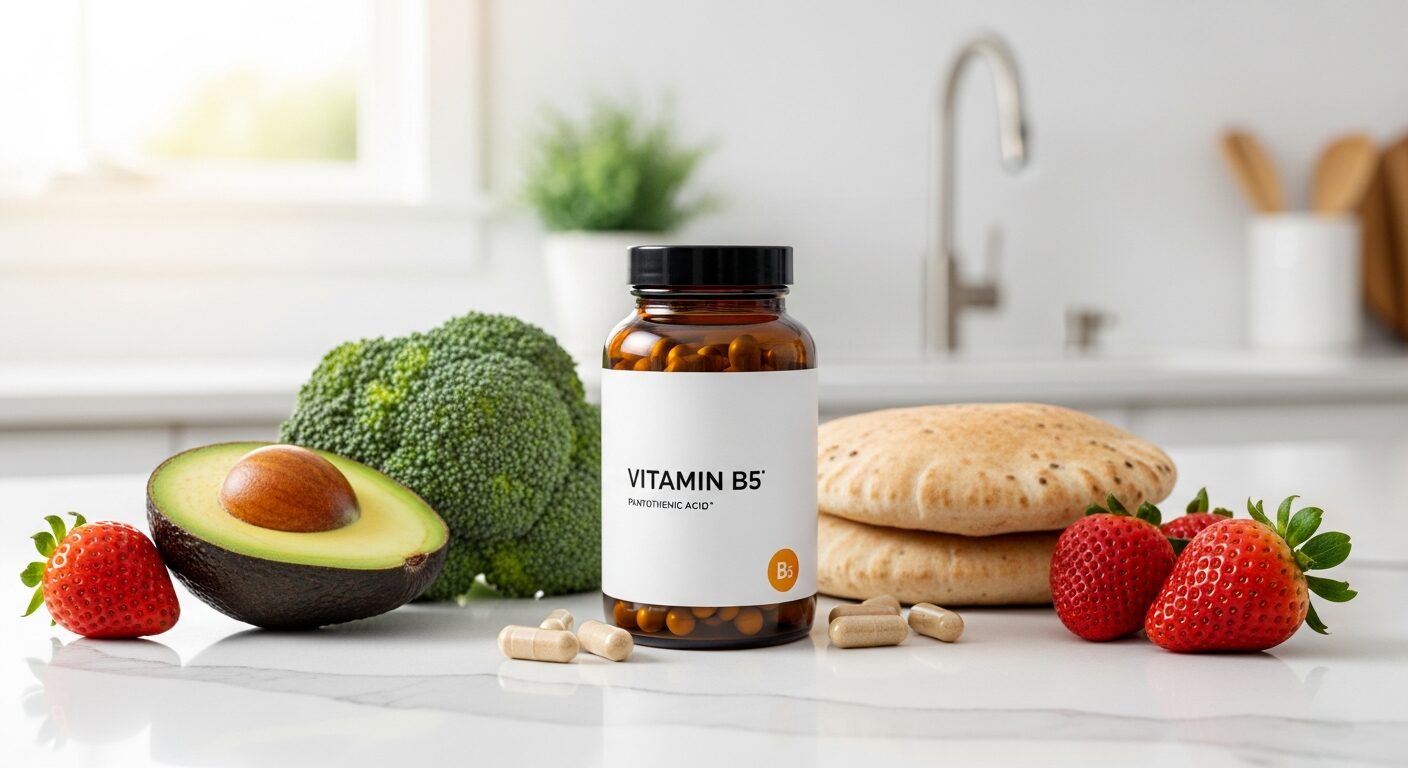
Vitamin B5, scientifically known as pantothenic acid, is an essential water-soluble vitamin that plays crucial roles in numerous bodily functions. While often overshadowed by its more famous B-vitamin siblings like B12 and folate, vitamin B5 deserves recognition for its remarkable contributions to energy metabolism and skin health. This vital nutrient serves as a precursor to coenzyme A (CoA), a fundamental molecule involved in over 100 enzymatic reactions throughout the body.
From supporting cellular energy production to maintaining healthy, radiant skin, vitamin B5 offers a wide range of benefits that make it an important consideration for anyone looking to optimize their health naturally. Understanding how this versatile vitamin works and its specific applications can help you make informed decisions about your nutritional needs and supplement choices.
Contents
- 1 What is Vitamin B5 and How Does It Work?
- 2 Vitamin B5 Benefits for Energy Production
- 3 Skin Health Benefits of Vitamin B5
- 4 Additional Health Benefits
- 5 Dosage and Safety Considerations
- 6 Frequently Asked Questions
- 6.1 How long does it take to see benefits from vitamin B5 supplementation?
- 6.2 Can I get enough vitamin B5 from food alone?
- 6.3 Is it better to take vitamin B5 alone or as part of a B-complex?
- 6.4 Are there any medications that interact with vitamin B5?
- 6.5 Can topical vitamin B5 provide the same benefits as oral supplementation?
- 7 Medical Disclaimer
What is Vitamin B5 and How Does It Work?
Pantothenic acid, derived from the Greek word “pantothen” meaning “from everywhere,” earned its name because it’s found in virtually all foods to some degree. However, despite its widespread presence in nature, many people still don’t get adequate amounts through diet alone, particularly those with increased metabolic demands or specific health conditions.
Once consumed, vitamin B5 undergoes conversion into coenzyme A through a series of enzymatic reactions. This transformation is critical because coenzyme A serves as a central hub in cellular metabolism, facilitating the breakdown of carbohydrates, fats, and proteins into usable energy. Additionally, CoA participates in the synthesis of essential compounds like fatty acids, cholesterol, and neurotransmitters.
Bioavailability and Absorption
The body absorbs vitamin B5 efficiently through the small intestine via a sodium-dependent multivitamin transporter. Unlike fat-soluble vitamins, B5 doesn’t require dietary fat for absorption, making it readily available regardless of meal composition. However, processing and cooking can significantly reduce vitamin B5 content in foods, which is why supplementation often becomes necessary for optimal intake.
Vitamin B5 Benefits for Energy Production
Energy production represents one of vitamin B5’s most significant contributions to human health. The vitamin’s role in creating coenzyme A directly impacts every cell’s ability to generate ATP, the body’s primary energy currency.
Cellular Energy Metabolism
At the cellular level, vitamin B5 facilitates the citric acid cycle (Krebs cycle), where nutrients are systematically broken down to release energy. Without adequate B5, this process becomes inefficient, leading to fatigue, weakness, and reduced physical performance. Studies have demonstrated that pantothenic acid deficiency significantly impairs energy metabolism and exercise capacity, Kelly et al., 2011.
The vitamin also supports mitochondrial function, ensuring these cellular powerhouses operate at peak efficiency. This is particularly important for tissues with high energy demands, such as the brain, heart, and skeletal muscles.
Combating Fatigue and Supporting Stamina
Many individuals experiencing chronic fatigue or low energy levels may benefit from ensuring adequate vitamin B5 intake. The vitamin supports adrenal gland function, which is crucial for stress response and maintaining consistent energy levels throughout the day. When the adrenals are functioning optimally with proper B5 support, the body can better handle physical and mental stressors without experiencing energy crashes.
Athletes and physically active individuals often have increased vitamin B5 requirements due to higher metabolic demands. Supplementation may help improve endurance, reduce recovery time, and maintain consistent energy output during prolonged physical activity.
Skin Health Benefits of Vitamin B5
Beyond energy production, vitamin B5 has gained considerable attention for its remarkable effects on skin health. The vitamin’s ability to support cellular regeneration and maintain skin barrier function makes it a valuable component in both topical skincare products and oral supplements.
Wound Healing and Skin Repair
Vitamin B5 accelerates wound healing by supporting fibroblast proliferation and collagen synthesis. These processes are essential for repairing damaged skin tissue and maintaining skin integrity. Research has shown that topical pantothenic acid derivatives significantly improve wound healing rates and reduce scar formation, Kobayashi et al., 2011.
The vitamin also helps regulate skin cell turnover, promoting the shedding of dead skin cells and the generation of fresh, healthy tissue. This process contributes to smoother, more radiant skin texture and can help address various skin concerns including minor blemishes and uneven skin tone.
Moisturization and Barrier Function
One of vitamin B5’s most notable skin benefits is its ability to enhance moisture retention. The vitamin helps strengthen the skin’s natural barrier function, reducing transepidermal water loss and keeping skin hydrated from within. This is particularly beneficial for individuals with dry skin conditions or those living in harsh environmental conditions.
Pantothenic acid also supports the production of natural moisturizing factors within the skin, creating a more resilient and supple complexion. Regular use, whether through supplementation or topical application, can lead to visibly improved skin hydration and elasticity.
Anti-Inflammatory Properties
Vitamin B5 exhibits mild anti-inflammatory effects that can benefit various skin conditions. By helping to regulate inflammatory responses, the vitamin may reduce redness, irritation, and sensitivity. This makes it particularly useful for individuals with sensitive skin or those prone to inflammatory skin conditions.
Additional Health Benefits
While energy and skin health represent the primary benefits of vitamin B5, this versatile nutrient supports several other important bodily functions.
Cardiovascular Health
Vitamin B5 plays a role in cholesterol metabolism and may help maintain healthy cholesterol levels. The vitamin supports the synthesis of coenzyme A, which is necessary for both cholesterol production and breakdown, helping to maintain proper lipid balance.
Nervous System Support
The vitamin contributes to neurotransmitter synthesis, including acetylcholine, which is crucial for memory, learning, and muscle function. Studies suggest that adequate vitamin B5 intake may support cognitive function and help maintain healthy nervous system activity, Smith et al., 2003.
Stress Response
Vitamin B5 is often called the “anti-stress vitamin” due to its role in supporting adrenal gland function. During periods of physical or emotional stress, the body’s demand for pantothenic acid increases significantly, making supplementation particularly beneficial during challenging times.
Dosage and Safety Considerations
The recommended daily allowance for vitamin B5 varies by age and life stage, with adults typically requiring 5mg per day. However, therapeutic doses for specific health concerns may be higher, ranging from 10-100mg daily depending on individual needs and health goals.
Vitamin B5 is generally considered very safe, with no established upper limit for intake. The vitamin is water-soluble, meaning excess amounts are readily excreted through urine rather than stored in the body. Side effects are rare and typically only occur with extremely high doses, potentially including mild digestive upset.
When choosing a vitamin B5 supplement, look for high-quality products that provide the vitamin in its active form or as calcium pantothenate, which is well-absorbed and utilized by the body.
🌿 Looking for Vitamin B5 Supplements?
Browse top-rated Vitamin B5 supplements, independently tested and recommended by our editorial team.
Affiliate disclosure: We may earn a small commission at no extra cost to you.
Frequently Asked Questions
How long does it take to see benefits from vitamin B5 supplementation?
Energy-related benefits may be noticed within 1-2 weeks of consistent supplementation, while skin improvements typically become apparent after 4-6 weeks of regular use. Individual responses may vary based on baseline nutritional status and overall health.
Can I get enough vitamin B5 from food alone?
While vitamin B5 is found in many foods including eggs, avocados, and whole grains, food processing and cooking can significantly reduce its content. Many people benefit from supplementation, especially those with increased metabolic demands or limited dietary variety.
Is it better to take vitamin B5 alone or as part of a B-complex?
B vitamins work synergistically, so taking B5 as part of a balanced B-complex is often recommended. However, for specific therapeutic purposes related to energy or skin health, standalone B5 supplementation may be more appropriate.
Are there any medications that interact with vitamin B5?
Vitamin B5 has minimal drug interactions due to its water-soluble nature and safe profile. However, it’s always advisable to consult with a healthcare provider before starting any new supplement regimen, especially if you’re taking medications.
Can topical vitamin B5 provide the same benefits as oral supplementation?
Topical vitamin B5 primarily benefits skin health locally, while oral supplementation provides systemic benefits including energy support and overall skin health from within. For optimal results, combining both approaches may be most effective.
Medical Disclaimer
The information provided in this article is for educational purposes only and is not intended to replace professional medical advice, diagnosis, or treatment. Always consult with a qualified healthcare provider before starting any new supplement regimen, especially if you have underlying health conditions, are pregnant or nursing, or are taking medications. Individual results may vary, and what works for one person may not work for another. NaturStack does not guarantee specific health outcomes from the use of any supplements discussed in this article.