
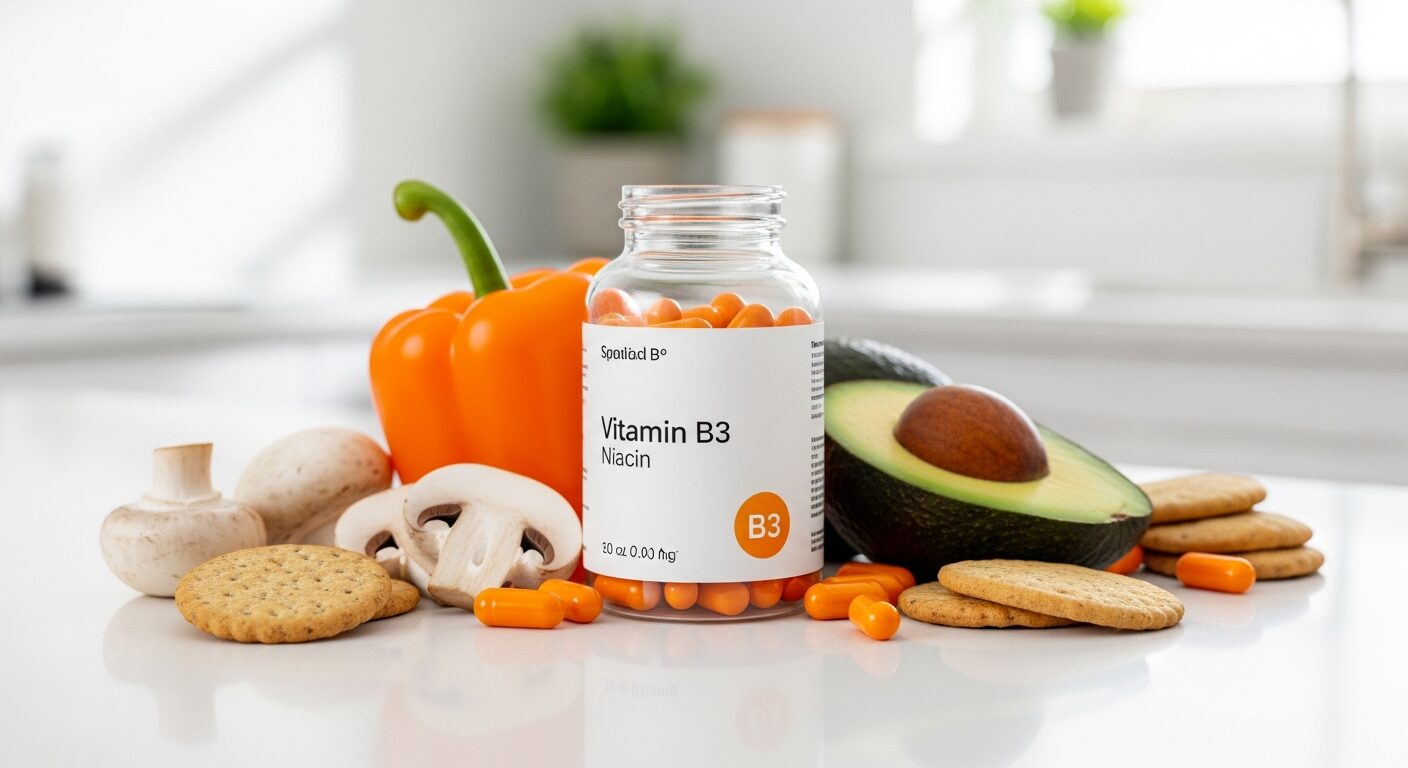
Niacin, also known as vitamin B3 or nicotinic acid, is an essential water-soluble vitamin that plays crucial roles in energy metabolism, DNA repair, and cellular function. While your body can produce small amounts of niacin from the amino acid tryptophan, most people need to obtain adequate amounts through diet or supplementation. Understanding proper niacin dosage is vital for maximizing its health benefits while avoiding potential side effects.
This comprehensive guide will help you understand how much niacin you should take based on your individual needs, health goals, and circumstances. We’ll explore the different forms of niacin, recommended dosages for various purposes, and important safety considerations to help you make informed decisions about supplementation.
Contents
Understanding Niacin and Its Forms
Niacin exists in several different forms, each with unique properties and applications. The most common forms include nicotinic acid, niacinamide (nicotinamide), and inositol hexanicotinate. Nicotinic acid is the form most commonly associated with cardiovascular benefits but can cause flushing in higher doses. Niacinamide provides similar metabolic benefits without the flushing effect, making it more suitable for general supplementation.
Your body converts all forms of niacin into nicotinamide adenine dinucleotide (NAD+), a crucial coenzyme involved in hundreds of metabolic processes. NAD+ plays essential roles in energy production, DNA repair, and cellular communication, making adequate niacin intake fundamental for optimal health and longevity.
Niacin’s Role in Human Health
Niacin supports numerous physiological functions beyond basic metabolism. It helps maintain healthy cholesterol levels, supports cognitive function, and plays a role in skin health. Research has shown that niacin supplementation can significantly improve lipid profiles, particularly by raising HDL cholesterol and lowering triglycerides.
The vitamin also supports the nervous system and helps maintain proper brain function. Adequate niacin levels are essential for neurotransmitter synthesis and may help protect against age-related cognitive decline. Additionally, niacin supports healthy skin by promoting proper cellular turnover and may help with certain inflammatory skin conditions.
Recommended Daily Intake Guidelines
The Recommended Dietary Allowance (RDA) for niacin varies based on age, gender, and life stage. For healthy adults, the RDA is 16 mg per day for men and 14 mg per day for women. Pregnant women require 18 mg daily, while breastfeeding mothers need 17 mg per day. These amounts represent the minimum needed to prevent deficiency and support basic physiological functions.
However, therapeutic doses for specific health benefits often exceed the RDA significantly. The Tolerable Upper Intake Level (UL) for niacin from supplements is set at 35 mg per day for adults to avoid flushing and other side effects. This limit applies specifically to nicotinic acid supplements, as niacinamide typically doesn’t cause flushing even at higher doses.
Age-Specific Recommendations
Children’s niacin needs vary by age, starting at 2 mg daily for infants 0-6 months and gradually increasing to 12 mg daily for children 9-13 years old. Adolescents aged 14-18 require adult-level amounts: 16 mg for boys and 14 mg for girls. These recommendations assume adequate protein intake, as the body can synthesize some niacin from tryptophan found in protein-rich foods.
Older adults may benefit from slightly higher niacin intake due to decreased absorption efficiency and increased metabolic demands. However, they should also be more cautious about potential drug interactions and side effects, particularly if taking medications for cardiovascular conditions.
Therapeutic Dosing for Specific Conditions
When used therapeutically, niacin doses often exceed standard dietary recommendations. For cardiovascular health, studies have used doses ranging from 500 mg to 2,000 mg daily, typically divided into multiple doses to minimize side effects. Clinical trials have demonstrated that higher doses of niacin can effectively reduce cardiovascular risk factors, though medical supervision is essential at these levels.
For supporting NAD+ levels and potential anti-aging benefits, doses of 100-500 mg of niacinamide daily are commonly used. This range appears to support cellular energy production and DNA repair mechanisms without causing significant side effects. Some practitioners recommend even higher doses, but evidence for additional benefits at extremely high doses remains limited.
Cholesterol Management
Niacin has a well-established role in lipid management, particularly for raising HDL cholesterol and lowering triglycerides. Therapeutic doses typically start at 500 mg daily and may increase to 1,500-2,000 mg daily under medical supervision. Extended-release formulations are often preferred for cholesterol management as they reduce flushing while maintaining efficacy.
When using niacin for cholesterol management, it’s crucial to work with a healthcare provider who can monitor lipid levels and liver function. Regular blood tests help ensure the treatment is effective and safe, particularly since high-dose niacin can occasionally affect liver enzymes.
Factors Affecting Niacin Requirements
Several factors can influence your individual niacin needs. Diet quality plays a significant role, as people consuming adequate protein and varied diets typically have lower supplementation requirements. Vegetarians and vegans may need slightly more niacin, as plant proteins generally contain less bioavailable tryptophan than animal proteins.
Certain medical conditions can increase niacin requirements. Individuals with diabetes, kidney disease, or malabsorption disorders may need higher intakes to maintain optimal levels. Alcohol consumption can also deplete B vitamins, including niacin, necessitating increased intake for regular drinkers.
Medication Interactions
Various medications can affect niacin metabolism and requirements. Certain antibiotics, anticonvulsants, and chemotherapy drugs may interfere with niacin absorption or increase excretion. Additionally, some medications used for tuberculosis treatment can deplete niacin stores, requiring supplementation during treatment.
Conversely, niacin can enhance the effects of certain medications, particularly blood pressure medications and diabetes drugs. This interaction can be beneficial but requires careful monitoring to prevent hypotension or hypoglycemia.
Safety Considerations and Side Effects
While niacin is generally safe at recommended doses, higher amounts can cause side effects. The most common is niacin flush, characterized by warmth, redness, and tingling, particularly in the face and upper body. This effect is harmless but can be uncomfortable and typically occurs with nicotinic acid rather than niacinamide.
Studies indicate that very high doses of niacin, particularly above 3,000 mg daily, may potentially cause liver problems in some individuals. This risk emphasizes the importance of medical supervision when using therapeutic doses and regular monitoring of liver function tests.
Other potential side effects at high doses include digestive upset, changes in blood sugar levels, and skin problems. People with gout should be particularly cautious, as niacin can increase uric acid levels and potentially trigger gout attacks.
Who Should Exercise Caution
Certain individuals should be especially careful with niacin supplementation. People with liver disease, peptic ulcers, or bleeding disorders should consult healthcare providers before starting niacin supplements. Pregnant and breastfeeding women should stick to RDA amounts unless specifically advised otherwise by their healthcare provider.
Individuals with diabetes need careful monitoring when taking higher doses of niacin, as it can affect blood glucose control. Similarly, people taking blood-thinning medications should be aware that niacin might enhance anticoagulant effects.
Optimizing Niacin Absorption and Effectiveness
To maximize niacin’s benefits while minimizing side effects, timing and form selection are important. Taking niacin with food can reduce stomach irritation and may help minimize flushing. Starting with lower doses and gradually increasing allows your body to adapt and reduces the likelihood of side effects.
For those experiencing flushing with nicotinic acid, taking aspirin 30 minutes before niacin can help reduce this effect. Alternatively, switching to niacinamide or inositol hexanicotinate can provide similar benefits without flushing.
🌿 Looking for Vitamin B3 Supplements?
Browse top-rated Vitamin B3 supplements, independently tested and recommended by our editorial team.
Affiliate disclosure: We may earn a small commission at no extra cost to you.
Frequently Asked Questions
Can I take niacin on an empty stomach?
While niacin can be taken on an empty stomach, taking it with food is generally recommended to reduce potential stomach irritation and minimize flushing. Food doesn’t significantly affect niacin absorption but can improve tolerance.
How long does it take to see benefits from niacin supplementation?
Benefits can vary depending on the purpose. For cholesterol management, improvements may be seen within 2-4 weeks. For energy and general wellness benefits, some people notice changes within days to weeks, while others may require several months of consistent use.
Is it safe to take niacin with other B vitamins?
Yes, niacin works synergistically with other B vitamins and is often included in B-complex supplements. Taking B vitamins together can actually enhance their effectiveness and ensure balanced intake.
Can niacin help with weight loss?
While niacin supports metabolism and energy production, there’s limited evidence for direct weight loss effects. However, by supporting proper metabolic function and potentially improving insulin sensitivity, niacin may indirectly support healthy weight management as part of a comprehensive approach.
What’s the difference between immediate-release and extended-release niacin?
Immediate-release niacin is absorbed quickly and may cause more pronounced flushing but is less likely to affect liver function. Extended-release formulations reduce flushing but may have a slightly higher risk of liver-related side effects at very high doses.
Medical Disclaimer
This article is for informational purposes only and should not replace professional medical advice, diagnosis, or treatment. Always consult with a qualified healthcare provider before starting any new supplement regimen, especially if you have existing health conditions, take medications, or are pregnant or breastfeeding. Individual niacin needs may vary significantly, and what works for one person may not be appropriate for another. Never exceed recommended doses without medical supervision, and discontinue use if you experience adverse effects.