
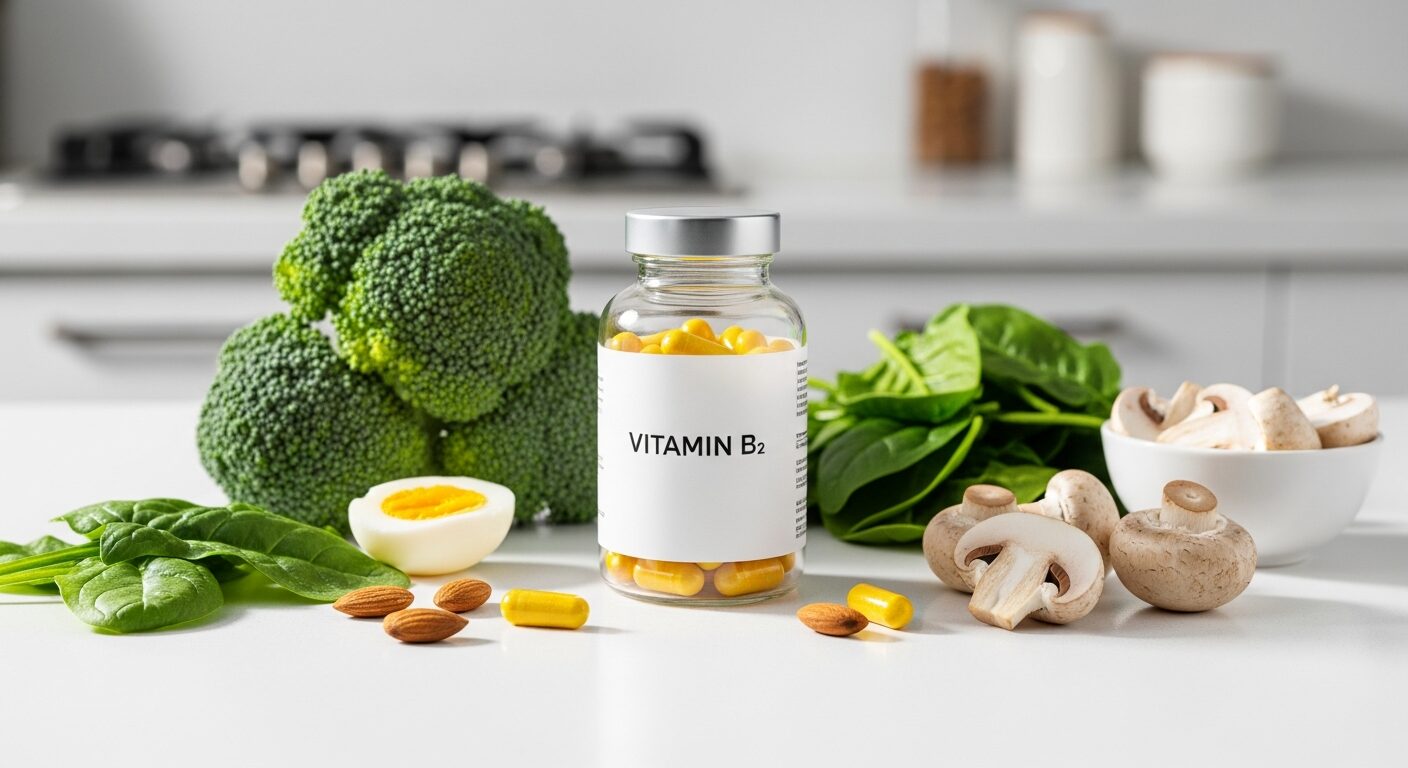
Vitamin B2, also known as riboflavin, is a water-soluble B-vitamin that plays a crucial role in energy production, cellular growth, and maintaining healthy skin, eyes, and nervous system function. While severe riboflavin deficiency is relatively rare in developed countries due to food fortification programs, mild to moderate deficiencies can still occur and may lead to various health complications. Understanding the signs and symptoms of vitamin B2 deficiency is essential for early detection and proper treatment.
Unlike fat-soluble vitamins, riboflavin cannot be stored in large quantities in the body, making regular intake through diet or supplementation necessary. The human body requires a steady supply of this vital nutrient to maintain optimal health and prevent deficiency-related disorders.
Contents
Understanding Vitamin B2 and Its Functions
Riboflavin serves as a precursor to two important coenzymes: flavin mononucleotide (FMN) and flavin adenine dinucleotide (FAD). These coenzymes are essential components of the electron transport chain and play vital roles in cellular respiration, helping convert carbohydrates, fats, and proteins into usable energy.
Beyond energy metabolism, vitamin B2 contributes to antioxidant defense systems, supports iron absorption and utilization, maintains healthy red blood cell production, and helps metabolize other B-vitamins including B6, folate, and niacin. It also plays a role in maintaining the integrity of mucous membranes and supporting proper eye function.
Daily Requirements and Risk Factors
The recommended daily allowance (RDA) for vitamin B2 varies by age, gender, and life stage. Adult men typically require 1.3 mg daily, while adult women need 1.1 mg. Pregnant and breastfeeding women have increased requirements of 1.4 mg and 1.6 mg respectively.
Several factors can increase the risk of riboflavin deficiency, including poor dietary intake, certain medical conditions affecting absorption, chronic alcohol consumption, and specific medications that interfere with B-vitamin metabolism.
Early Signs and Symptoms of Vitamin B2 Deficiency
Vitamin B2 deficiency, medically known as ariboflavinosis, typically develops gradually and manifests through various symptoms affecting different body systems. Early recognition of these signs is crucial for preventing progression to more severe complications.
Oral and Facial Symptoms
One of the earliest and most characteristic signs of riboflavin deficiency involves changes to the mouth and facial area. Angular cheilitis, characterized by painful cracks or fissures at the corners of the mouth, is a common early symptom. These lesions may become red, swollen, and prone to secondary bacterial infections.
The tongue may also be affected, developing a magenta or purplish color and becoming smooth and swollen. This condition, known as glossitis, can cause discomfort while eating or speaking. Some individuals may experience a burning sensation in the mouth or throat.
Seborrheic dermatitis around the nose, mouth, and forehead is another frequent manifestation. This condition presents as scaly, greasy patches of skin that may be accompanied by itching or irritation.
Eye-Related Symptoms
The eyes are particularly sensitive to riboflavin deficiency due to the vitamin’s important role in maintaining healthy ocular tissues. Photophobia, or increased sensitivity to light, is often one of the first eye-related symptoms to appear.
Other ocular manifestations may include excessive tearing, burning or itching sensations, eye fatigue, and blurred vision. In more advanced cases, blood vessels may become more prominent in the cornea, a condition called corneal vascularization. Some individuals may also develop cataracts if the deficiency persists over time.
Skin Changes
Riboflavin deficiency can cause various skin problems beyond facial seborrheic dermatitis. The skin may become dry, scaly, and more susceptible to infections. Some people develop a characteristic rash on the scrotum or vulva, which appears as red, scaly patches.
Hair may also be affected, becoming dull, brittle, or showing signs of premature graying in some cases.
Advanced Symptoms and Complications
If left untreated, vitamin B2 deficiency can progress to more severe symptoms that significantly impact quality of life and overall health.
Neurological Manifestations
Advanced riboflavin deficiency may affect the nervous system, leading to symptoms such as peripheral neuropathy, which causes tingling, numbness, or burning sensations in the hands and feet. Some individuals may experience muscle weakness, coordination problems, or difficulty with balance.
Cognitive symptoms, including confusion, difficulty concentrating, and memory problems, may also develop in severe cases.
Anemia and Fatigue
Since vitamin B2 plays a role in iron metabolism and red blood cell production, deficiency can contribute to the development of anemia. This can manifest as persistent fatigue, weakness, shortness of breath, and pale skin.
The body’s reduced ability to efficiently produce energy from nutrients may result in chronic exhaustion that doesn’t improve with rest.
Growth and Development Issues
In children, vitamin B2 deficiency can significantly impact growth and development. Affected children may experience delayed growth, poor weight gain, and developmental delays. Pregnant women with riboflavin deficiency face increased risks of pregnancy complications and may give birth to babies with low birth weight.
Diagnosis and Testing
Diagnosing vitamin B2 deficiency typically involves a combination of clinical assessment and laboratory testing. Healthcare providers evaluate symptoms, medical history, and dietary patterns to identify potential deficiency risks.
Laboratory tests may include measuring riboflavin levels in blood or urine, or assessing the activity of glutathione reductase, an enzyme that depends on riboflavin-derived coenzymes. The erythrocyte glutathione reductase activation coefficient (EGRAC) is considered one of the most reliable functional tests for riboflavin status.
Treatment and Prevention
Treatment of vitamin B2 deficiency typically involves dietary modifications and supplementation. Increasing consumption of riboflavin-rich foods such as dairy products, lean meats, eggs, leafy green vegetables, and fortified cereals can help restore adequate levels.
For more severe deficiencies or when dietary changes alone are insufficient, healthcare providers may recommend riboflavin supplements. The dosage and duration of supplementation depend on the severity of the deficiency and individual factors.
Prevention strategies include maintaining a balanced diet rich in B-vitamins, limiting alcohol consumption, and addressing underlying medical conditions that may interfere with nutrient absorption.
Special Considerations
Certain populations require special attention regarding vitamin B2 status. Vegans and vegetarians may be at higher risk due to limited dietary sources, while older adults may have reduced absorption capacity. Individuals with malabsorption disorders, chronic kidney disease, or those taking certain medications should be monitored more closely for deficiency signs.
Athletes and individuals under chronic stress may have increased riboflavin requirements and should ensure adequate intake through diet or supplementation.
🌿 Looking for Vitamin B2 Supplements?
Browse top-rated Vitamin B2 supplements, independently tested and recommended by our editorial team.
Affiliate disclosure: We may earn a small commission at no extra cost to you.
Frequently Asked Questions
How long does it take to correct vitamin B2 deficiency?
With appropriate supplementation, mild to moderate riboflavin deficiency symptoms typically begin improving within 2-4 weeks. Complete resolution may take 2-3 months, depending on the severity of the deficiency and individual factors affecting absorption and metabolism.
Can vitamin B2 deficiency cause permanent damage?
While most symptoms of riboflavin deficiency are reversible with proper treatment, severe, long-term deficiency may lead to permanent complications such as cataracts or corneal damage. Early detection and treatment are crucial for preventing irreversible effects.
What foods are highest in vitamin B2?
Excellent sources of riboflavin include organ meats, dairy products (milk, yogurt, cheese), eggs, lean meats, fish, spinach, broccoli, asparagus, and fortified cereals. Almonds and other nuts also provide moderate amounts of this essential vitamin.
Can you take too much vitamin B2?
Vitamin B2 is water-soluble and generally considered safe even in large doses, as excess amounts are excreted through urine. However, very high doses may cause bright yellow urine coloration and, in rare cases, may interact with certain medications or cause digestive upset.
Are certain people more prone to vitamin B2 deficiency?
Yes, individuals at higher risk include those with poor dietary habits, chronic alcoholism, malabsorption disorders, strict vegans, pregnant and breastfeeding women, older adults, and people taking certain medications that interfere with B-vitamin metabolism.
Medical Disclaimer
This article is for informational purposes only and should not be considered medical advice. The information provided is not intended to diagnose, treat, cure, or prevent any disease or health condition. Always consult with a qualified healthcare professional before making changes to your diet, supplement regimen, or treatment plan. Individual nutritional needs vary, and what works for one person may not be appropriate for another. If you suspect you may have a vitamin B2 deficiency or are experiencing any of the symptoms described, please seek proper medical evaluation and testing from a licensed healthcare provider.