
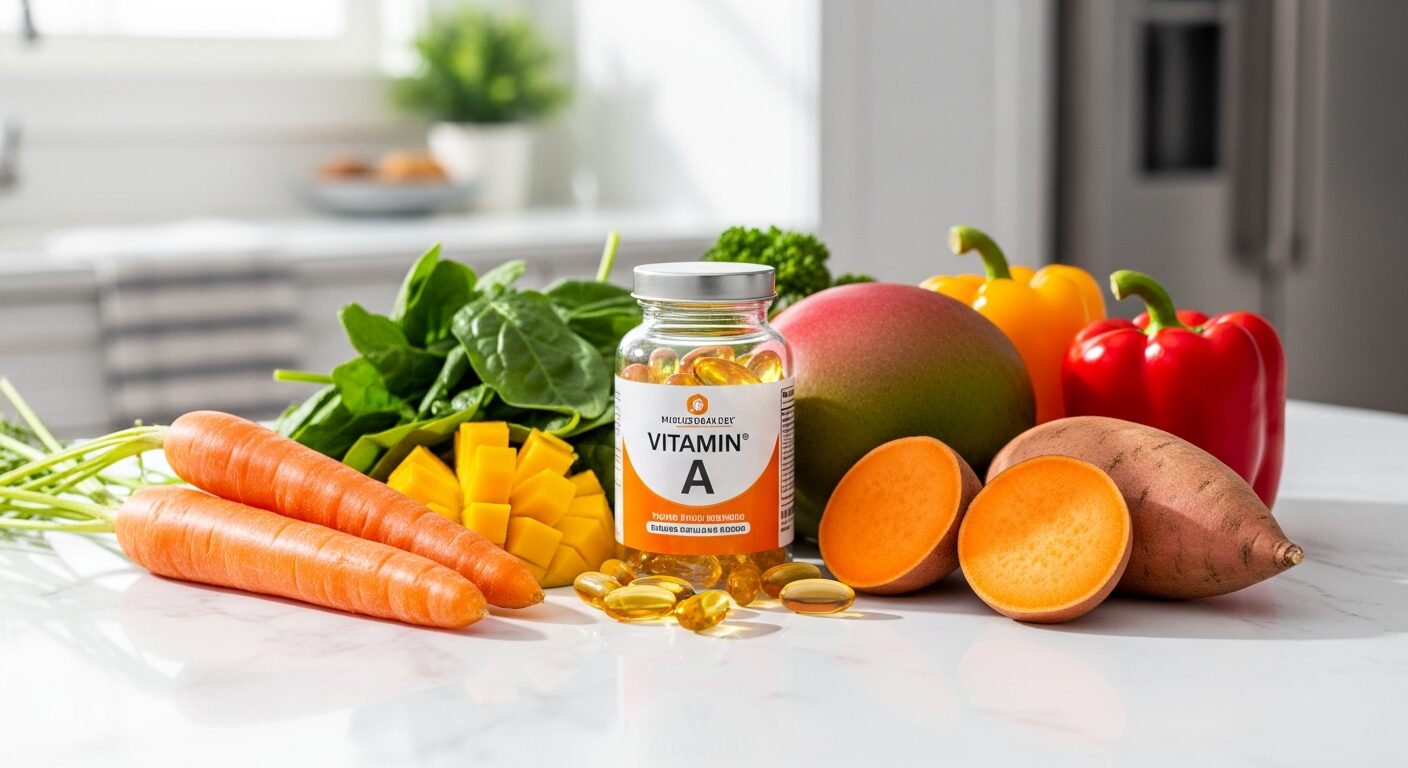
Vitamin A is one of the most critical fat-soluble vitamins your body needs for optimal health. This essential nutrient plays vital roles in vision, immune function, cell growth, and reproduction. While vitamin A supplements are readily available, obtaining this nutrient from whole food sources provides additional benefits, including complementary nutrients and better absorption. Understanding which foods contain the highest concentrations of vitamin A can help you make informed dietary choices to meet your nutritional needs naturally.
There are two main forms of vitamin A found in foods: preformed vitamin A (retinol) from animal sources, and provitamin A carotenoids from plant sources. Your body converts these carotenoids, particularly beta-carotene, into active vitamin A as needed. This comprehensive guide explores the best food sources of both forms, helping you optimize your vitamin A intake through strategic food choices.
Contents
Understanding Vitamin A Forms and Functions
Before diving into specific food sources, it’s important to understand how vitamin A works in your body. Preformed vitamin A, found in animal products, is immediately available for your body to use. This form includes retinol, retinal, and retinoic acid, which directly support vision, immune function, and cellular processes.
Provitamin A carotenoids from plants require conversion in your body to become active vitamin A. Beta-carotene is the most efficiently converted carotenoid, followed by alpha-carotene and beta-cryptoxanthin. Carotenoids and human health, 2005 demonstrates that while plant sources require conversion, they offer additional antioxidant benefits that preformed vitamin A doesn’t provide.
Top Animal Sources of Preformed Vitamin A
Organ Meats: The Vitamin A Powerhouses
Organ meats, particularly liver, contain the highest concentrations of preformed vitamin A available in food. Beef liver provides an astounding 16,898 IU of vitamin A per 100-gram serving, which is over 300% of the daily recommended intake. Chicken liver offers 11,077 IU per 100 grams, making it another excellent choice for boosting vitamin A levels quickly.
These organ meats are nutrient-dense beyond just vitamin A, providing high-quality protein, iron, zinc, and B vitamins. However, due to their extremely high vitamin A content, moderation is key to avoid potential toxicity from excessive intake.
Fish and Seafood Options
Fatty fish and certain seafood provide substantial amounts of preformed vitamin A while offering omega-3 fatty acids and high-quality protein. Cod liver oil stands out as an exceptional source, containing approximately 30,000 IU per tablespoon, though this is typically consumed as a supplement rather than food.
Salmon provides about 149 IU per 100 grams, while mackerel offers 252 IU. Tuna contains roughly 154 IU per 100 grams. These fish sources provide a more moderate amount of vitamin A compared to organ meats, making them suitable for regular consumption as part of a balanced diet.
Dairy Products and Eggs
Fortified dairy products and eggs contribute meaningful amounts of preformed vitamin A to many diets. Whole milk contains about 395 IU per cup, while fortified skim milk provides similar amounts. Cheese varieties like cheddar offer approximately 815 IU per 100 grams.
Eggs provide about 540 IU per 100 grams, with most of the vitamin A concentrated in the yolk. Butter contains roughly 2,499 IU per 100 grams, making it a concentrated source, though it’s typically consumed in smaller quantities.
Plant-Based Vitamin A Sources
Orange and Yellow Vegetables
Brightly colored orange and yellow vegetables are exceptional sources of beta-carotene and other provitamin A carotenoids. Sweet potatoes lead this category with approximately 19,218 IU of vitamin A activity per medium baked potato. Carrots provide about 10,191 IU per cup when cooked, and their beta-carotene becomes more bioavailable when cooked and consumed with fat.
Butternut squash offers 11,434 IU per cup, while pumpkin provides an impressive 12,231 IU per cup. These vegetables not only supply vitamin A precursors but also provide fiber, potassium, and other essential nutrients that support overall health.
Dark Leafy Greens
Dark leafy greens are surprisingly rich sources of provitamin A carotenoids. Spinach provides 9,377 IU per cup when cooked, while kale offers 10,302 IU per cup. These greens also contain lutein and zeaxanthin, carotenoids that specifically support eye health.
Swiss chard contributes 5,986 IU per cup, and collard greens provide 11,318 IU per cup when cooked. The cooking process breaks down cell walls, making the carotenoids more available for absorption.
Colorful Fruits
Several fruits contribute significant amounts of provitamin A carotenoids to the diet. Cantaloupe leads fruit sources with 3,382 IU per cup, while dried apricots provide 4,685 IU per 100 grams. Fresh apricots offer 1,926 IU per cup.
Mangoes contain 1,262 IU per cup, and papaya provides 1,532 IU per cup. These fruits offer the added benefits of vitamin C, fiber, and various antioxidants that complement the vitamin A content.
Maximizing Vitamin A Absorption
Since vitamin A is fat-soluble, consuming it with dietary fat significantly enhances absorption. Fat-soluble vitamin absorption, 2004 confirms that even small amounts of fat can dramatically improve carotenoid absorption from plant foods.
Cooking methods also influence bioavailability. Light cooking breaks down plant cell walls, making carotenoids more accessible. However, excessive heat can destroy some vitamin activity, so gentle cooking methods like steaming or light sautéing are optimal.
Combining different carotenoid sources may enhance overall absorption and provide a broader spectrum of beneficial compounds. Eating a variety of colorful fruits and vegetables ensures you receive multiple types of carotenoids that work synergistically.
Daily Requirements and Food Planning
The recommended daily allowance for vitamin A is 900 mcg RAE (Retinol Activity Equivalents) for adult men and 700 mcg RAE for adult women. Dietary reference intakes for vitamin A, 2002 established these values based on maintaining adequate liver stores and supporting physiological functions.
Meeting these requirements through food sources is highly achievable with proper planning. A single serving of cooked sweet potato provides more than 100% of daily needs, while a cup of cooked spinach covers about 130% of requirements. Combining modest portions of vitamin A-rich foods throughout the day ensures adequate intake without risking toxicity.
Special Considerations and Populations
Certain populations have increased vitamin A needs or absorption challenges. Pregnant women require additional vitamin A for fetal development, but excessive preformed vitamin A can be teratogenic. Plant-based sources are generally safer during pregnancy due to regulated conversion.
Individuals with fat malabsorption disorders may have difficulty absorbing vitamin A and might benefit from working with healthcare providers to optimize intake and absorption. Those following vegan diets should focus on diverse plant sources and ensure adequate fat intake to maximize carotenoid conversion.
🌿 Looking for Vitamin A Supplements?
Browse top-rated Vitamin A supplements, independently tested and recommended by our editorial team.
Affiliate disclosure: We may earn a small commission at no extra cost to you.
Frequently Asked Questions
Can you get too much vitamin A from food sources?
Yes, but toxicity is more likely from preformed vitamin A in animal sources or supplements. Your body regulates carotenoid conversion from plants, making plant sources much safer for high intake. However, consuming excessive amounts of organ meats regularly could potentially lead to toxicity.
Are plant or animal sources of vitamin A better?
Both have advantages. Animal sources provide immediately available vitamin A, while plant sources offer additional antioxidant benefits and are safer in large quantities. A combination of both types typically provides optimal nutrition and safety.
How much fat do I need to absorb vitamin A properly?
Even small amounts of fat significantly improve absorption. Adding just 3-5 grams of fat (about a teaspoon of oil) to plant-based vitamin A sources can increase absorption by several fold compared to fat-free consumption.
Do cooking methods affect vitamin A content?
Light cooking generally increases carotenoid availability from plants by breaking down cell walls. However, excessive heat, light exposure, and prolonged cooking can reduce vitamin A activity. Gentle cooking methods preserve the most nutritional value.
Can vitamin A from foods interact with medications?
High doses of vitamin A can potentially interact with certain medications, particularly blood thinners and some acne medications. If you’re taking medications or have health conditions, consult with your healthcare provider about appropriate vitamin A intake levels.
Medical Disclaimer
This article is for informational purposes only and is not intended to replace professional medical advice, diagnosis, or treatment. Always consult with qualified healthcare providers regarding vitamin A intake, especially if you have underlying health conditions, are pregnant, or are taking medications. Individual nutritional needs may vary, and what works for one person may not be appropriate for another. Never disregard professional medical advice or delay seeking treatment based on information from this article.