
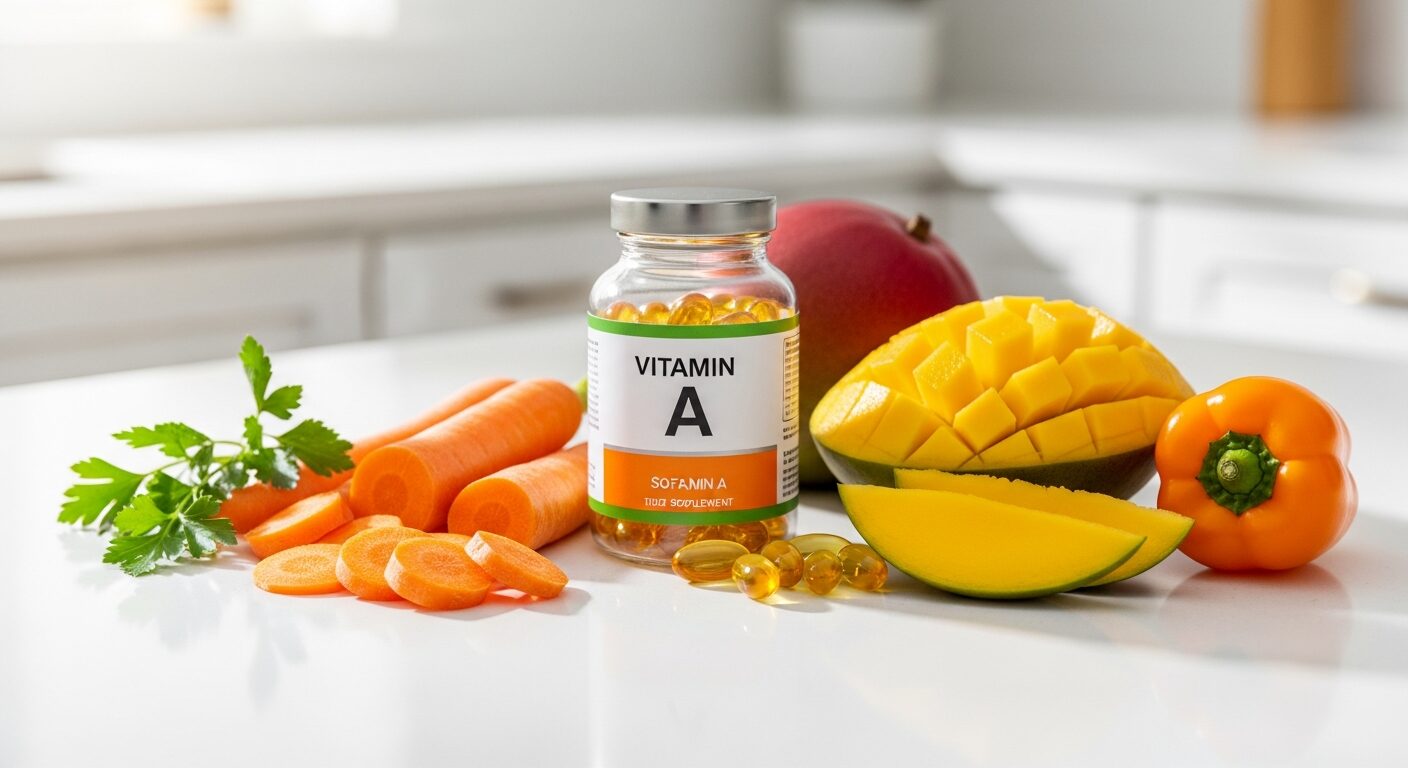
Vitamin A is an essential nutrient that plays crucial roles in vision, immune function, and cellular growth. However, like many fat-soluble vitamins, vitamin A can accumulate in the body and reach toxic levels when consumed in excessive amounts. Understanding the signs of vitamin A toxicity and adhering to safe intake limits is vital for anyone taking supplements or consuming vitamin A-rich foods.
Unlike water-soluble vitamins that are easily excreted through urine, vitamin A is stored primarily in the liver and fatty tissues. This storage mechanism means that excessive intake over time can lead to hypervitaminosis A, a condition that can cause serious health complications ranging from mild symptoms like headaches to severe liver damage.
Contents
Understanding Vitamin A Forms and Sources
Vitamin A exists in two primary forms: preformed vitamin A (retinol) found in animal products, and provitamin A carotenoids (like beta-carotene) found in plant foods. Preformed vitamin A is the form most likely to cause toxicity because it’s readily absorbed and utilized by the body without any conversion process.
Common sources of preformed vitamin A include liver, fish oils, dairy products, and fortified foods. Supplements often contain high doses of retinol or retinyl acetate, making them potential sources of excessive intake. Penniston and Tanumihardjo, 2006 demonstrated that supplement users are at higher risk for vitamin A toxicity compared to those relying solely on dietary sources.
Carotenoids, on the other hand, are converted to vitamin A only as needed by the body, making toxicity from plant sources extremely rare. However, excessive carotenoid intake can cause harmless skin discoloration called carotenemia, which appears as a yellow-orange tint to the skin.
Acute vs. Chronic Vitamin A Toxicity
Acute Toxicity
Acute vitamin A toxicity occurs when extremely large amounts are consumed within a short period, typically exceeding 150,000 IU (45,000 mcg RAE) in a single dose for adults. This condition can develop within hours or days and presents with dramatic symptoms including severe headaches, nausea, vomiting, dizziness, and blurred vision.
Historical cases of acute toxicity often involved explorers consuming polar bear or seal liver, which contain extraordinarily high vitamin A concentrations. Modern cases usually result from accidental overdoses of supplements or medications containing high-dose vitamin A derivatives.
Chronic Toxicity
Chronic vitamin A toxicity develops over weeks, months, or years of consuming moderately excessive amounts. This form is more common and occurs with daily intakes exceeding 25,000-33,000 IU (7,500-10,000 mcg RAE) over extended periods. Chronic toxicity symptoms develop gradually and can be mistaken for other conditions, making diagnosis challenging.
Signs and Symptoms of Vitamin A Toxicity
Early Warning Signs
The earliest symptoms of vitamin A toxicity are often subtle and nonspecific. These include fatigue, irritability, decreased appetite, and mild nausea. Many people dismiss these symptoms as stress-related or attribute them to other causes, allowing toxicity to progress undetected.
Skin changes are among the first visible signs, including dryness, peeling, and increased sensitivity. Hair may become brittle and begin falling out, while nails might develop ridges or become fragile. These dermatological symptoms occur because vitamin A affects epithelial cell turnover and sebaceous gland function.
Progressive Symptoms
As toxicity worsens, symptoms become more pronounced and concerning. Severe headaches may develop, often accompanied by dizziness and vision problems. Joint and bone pain are common complaints, as excessive vitamin A interferes with bone metabolism and can reduce bone density.
Gastrointestinal symptoms intensify, including persistent nausea, vomiting, and abdominal pain. The liver may become enlarged and tender as it struggles to process and store excessive vitamin A. Geubel et al., 2019 found that chronic vitamin A toxicity can lead to hepatic stellate cell activation and liver fibrosis similar to alcoholic liver disease.
Severe Complications
In advanced cases, vitamin A toxicity can cause serious complications including intracranial hypertension, which mimics brain tumor symptoms with severe headaches, vision changes, and papilledema. Liver damage can progress from fatty infiltration to fibrosis and, in extreme cases, cirrhosis.
Bone health deteriorates significantly with chronic toxicity. Excessive vitamin A interferes with vitamin D metabolism and increases osteoclast activity, leading to decreased bone mineral density and increased fracture risk. Pregnant women face additional risks, as vitamin A toxicity can cause birth defects affecting the central nervous system, heart, and other organs.
Safe Daily Limits and Recommendations
Recommended Dietary Allowances (RDA)
The RDA for vitamin A varies by age and gender. Adult men require 900 mcg RAE (3,000 IU) daily, while adult women need 700 mcg RAE (2,333 IU). Pregnant women require 770 mcg RAE (2,567 IU), and lactating women need 1,300 mcg RAE (4,333 IU).
These recommendations assume intake from both preformed vitamin A and provitamin A carotenoids. However, the body’s conversion efficiency of carotenoids to vitamin A is lower than previously thought, making preformed vitamin A more potent per unit consumed.
Tolerable Upper Intake Levels (UL)
The Tolerable Upper Intake Level represents the maximum daily intake unlikely to cause adverse effects in healthy individuals. For adults, the UL for preformed vitamin A is 3,000 mcg RAE (10,000 IU) daily. This limit applies only to preformed vitamin A from supplements, fortified foods, and animal products, not to carotenoids from plant sources.
Children have much lower ULs ranging from 600 mcg RAE (2,000 IU) for ages 1-3 years to 2,800 mcg RAE (9,333 IU) for ages 14-18 years. Pregnant women should not exceed 3,000 mcg RAE (10,000 IU) daily due to teratogenic risks.
Special Considerations
Certain populations require modified vitamin A intake recommendations. Individuals with liver disease should use vitamin A supplements cautiously, as impaired liver function affects vitamin A metabolism and storage. Russell, 2000 showed that people with chronic liver conditions accumulate vitamin A more readily and may develop toxicity at lower intake levels.
Alcohol consumption increases vitamin A toxicity risk by enhancing absorption and altering liver metabolism. People taking medications affecting liver function should consult healthcare providers before using vitamin A supplements.
Prevention and Management
Safe Supplementation Practices
To prevent vitamin A toxicity, read supplement labels carefully and calculate total daily intake from all sources. Many multivitamins contain significant amounts of vitamin A, and taking additional single-nutrient supplements can easily exceed safe limits.
Consider choosing supplements containing beta-carotene instead of preformed vitamin A, especially for long-term use. Beta-carotene supplements pose virtually no toxicity risk, though they may cause harmless skin discoloration with excessive intake.
Monitoring and Early Detection
Regular monitoring is crucial for people taking vitamin A supplements long-term. Healthcare providers can assess vitamin A status through blood tests measuring serum retinol levels, though these tests may not detect early toxicity stages.
Pay attention to subtle symptoms like skin changes, fatigue, or headaches when taking vitamin A supplements. Document any concerning symptoms and discuss them with healthcare providers, especially if they coincide with supplement use.
Treatment Approaches
Treatment for vitamin A toxicity primarily involves discontinuing vitamin A supplements and reducing dietary intake of vitamin A-rich foods. Symptoms typically improve gradually as stored vitamin A is metabolized, though recovery may take weeks to months depending on toxicity severity.
Supportive care addresses specific symptoms, such as pain management for bone and joint discomfort or treatment for liver complications. In severe cases, hospitalization may be necessary for monitoring and intensive supportive care.
🌿 Looking for Vitamin A Supplements?
Browse top-rated Vitamin A supplements, independently tested and recommended by our editorial team.
Affiliate disclosure: We may earn a small commission at no extra cost to you.
Frequently Asked Questions
How quickly can vitamin A toxicity develop?
Acute toxicity can develop within hours of consuming extremely high doses (over 150,000 IU), while chronic toxicity typically develops over weeks to months of consuming moderately excessive amounts (above 25,000-30,000 IU daily).
Can you get vitamin A toxicity from eating too many carrots?
No, you cannot develop vitamin A toxicity from eating carrots or other plant foods containing carotenoids. However, excessive carotenoid intake can cause harmless skin discoloration called carotenemia, which appears as a yellow-orange tint.
Are certain people more susceptible to vitamin A toxicity?
Yes, individuals with liver disease, elderly adults, people who consume alcohol regularly, and those taking certain medications may be more susceptible to vitamin A toxicity. Pregnant women also face increased risks due to potential birth defects.
How long does it take to recover from vitamin A toxicity?
Recovery time varies depending on toxicity severity and duration. Mild cases may resolve within weeks of stopping vitamin A supplements, while severe chronic toxicity may require months for complete recovery. Some complications, like bone density loss, may take longer to reverse.
Should I avoid all vitamin A supplements?
Not necessarily. Vitamin A supplements can be safe when used appropriately within recommended limits. Consider choosing multivitamins with moderate vitamin A content or beta-carotene supplements, and always consult healthcare providers before starting any supplement regimen.
Medical Disclaimer
This article is for informational purposes only and should not be considered medical advice. The information provided is not intended to diagnose, treat, cure, or prevent any disease. Always consult with qualified healthcare professionals before making changes to your supplement regimen or if you suspect vitamin A toxicity. Individual nutritional needs vary, and what works for one person may not be appropriate for another. If you experience symptoms that may indicate vitamin A toxicity, seek immediate medical attention.