
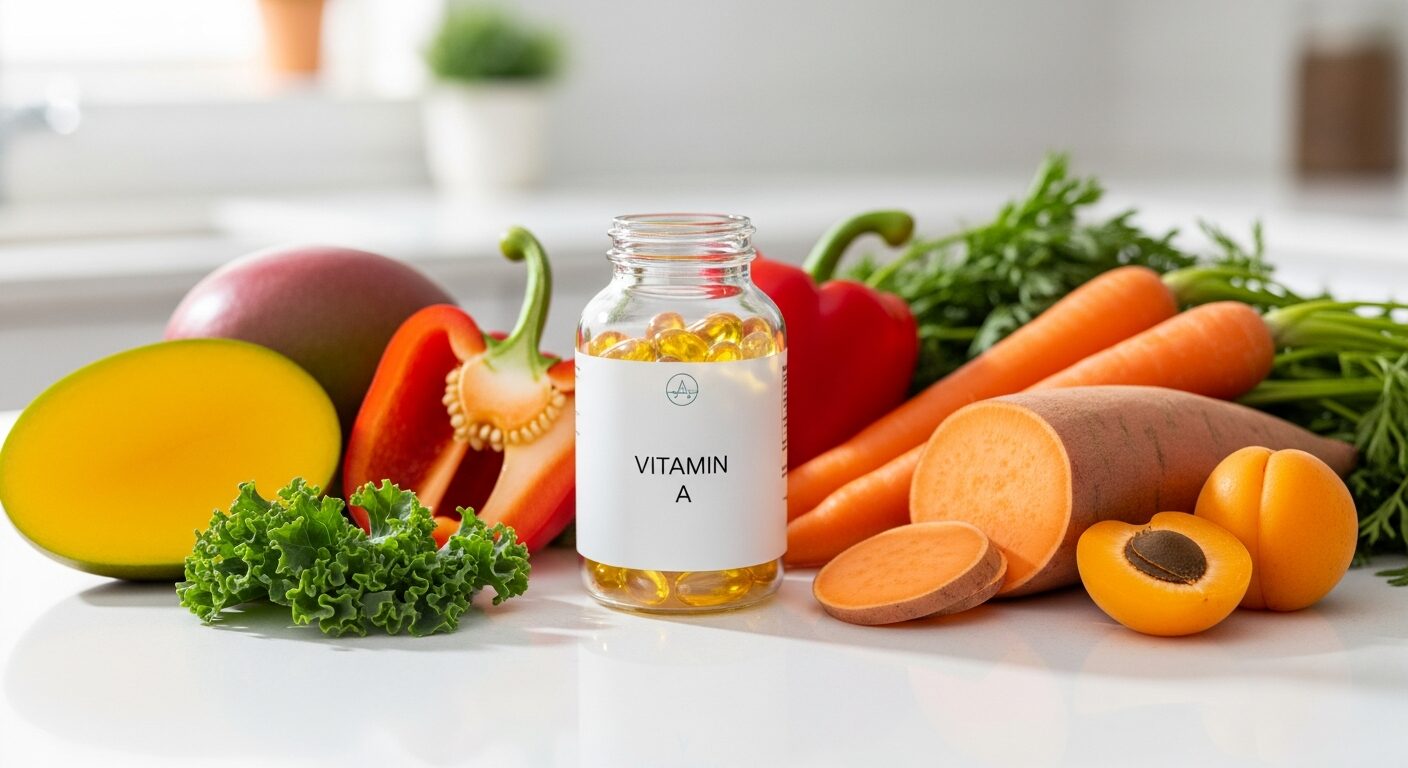
Vitamin A is an essential fat-soluble vitamin that plays crucial roles in maintaining optimal health, particularly for women. From supporting reproductive health to maintaining strong immunity and vision, this powerful nutrient deserves special attention in women’s wellness routines. Understanding the specific benefits vitamin A offers women, along with proper dosage recommendations, can help you make informed decisions about your nutritional needs.
This comprehensive guide explores the science-backed benefits of vitamin A for women, discusses optimal dosage recommendations, and addresses common questions about supplementation. Whether you’re looking to support your skin health, boost immunity, or maintain reproductive wellness, understanding vitamin A’s role in women’s health is essential.
Contents
What is Vitamin A?
Vitamin A encompasses a group of fat-soluble compounds that include retinol, retinal, and retinyl esters (collectively called retinoids), as well as provitamin A carotenoids like beta-carotene. The body can convert these different forms into the active vitamin A compounds needed for various physiological functions.
There are two primary dietary sources of vitamin A:
- Preformed vitamin A (retinoids): Found in animal products like liver, fish, eggs, and dairy products
- Provitamin A carotenoids: Found in colorful fruits and vegetables, particularly orange and dark leafy green varieties
The body stores vitamin A primarily in the liver, making it possible to maintain adequate levels even when dietary intake varies. However, this storage capacity also means that excessive intake can lead to toxicity, making proper dosage particularly important.
Key Benefits of Vitamin A for Women
Reproductive Health and Fertility
Vitamin A plays a vital role in women’s reproductive health throughout different life stages. During pregnancy, adequate vitamin A levels support proper fetal development, particularly for the heart, lungs, kidneys, eyes, and bones. The vitamin is also crucial for placental development and helps maintain the integrity of the reproductive tract.
For women of childbearing age, vitamin A supports normal ovarian function and helps maintain healthy menstrual cycles. Studies have shown that vitamin A deficiency can impair fertility and increase the risk of pregnancy complications.
Skin Health and Anti-Aging
Perhaps one of the most well-known benefits of vitamin A for women is its impact on skin health. Vitamin A promotes healthy cell turnover, helping to maintain smooth, youthful-looking skin. It supports collagen production, which helps maintain skin elasticity and reduces the appearance of fine lines and wrinkles.
The vitamin also helps regulate sebum production, making it beneficial for women dealing with acne or other skin concerns. Topical retinoids, derived from vitamin A, are widely used in dermatology for treating various skin conditions and signs of aging.
Immune System Support
Vitamin A is often called the “anti-infection” vitamin due to its crucial role in maintaining immune function. It supports the integrity of mucosal surfaces throughout the body, including the respiratory, digestive, and urogenital tracts, which serve as the first line of defense against pathogens.
For women, this immune support is particularly important during times of hormonal changes, such as menstruation, pregnancy, or menopause, when the immune system may be more vulnerable to challenges.
Vision and Eye Health
Vitamin A is essential for maintaining healthy vision, particularly in low-light conditions. The vitamin is a key component of rhodopsin, a protein in the eyes that helps detect light. Adequate vitamin A intake helps prevent night blindness and supports overall eye health.
Women may have increased needs for vitamin A to support eye health, especially as they age and face higher risks of age-related eye conditions.
Bone Health
Research suggests that vitamin A plays an important role in bone metabolism and may help prevent osteoporosis, a condition that disproportionately affects women after menopause. Studies indicate that adequate vitamin A levels support bone formation and help maintain bone density throughout life.
Hormonal Balance
Vitamin A supports the production and regulation of various hormones, including thyroid hormones and reproductive hormones. This hormonal support can be particularly beneficial for women experiencing hormonal fluctuations during menstruation, pregnancy, or menopause.
Recommended Dosage for Women
Daily Requirements
The recommended dietary allowance (RDA) for vitamin A varies based on age and life stage:
- Adult women (19+ years): 700 micrograms RAE (Retinol Activity Equivalents) per day
- Pregnant women: 770 micrograms RAE per day
- Breastfeeding women: 1,300 micrograms RAE per day
These recommendations account for the different potencies of various vitamin A compounds and are designed to maintain adequate body stores while preventing deficiency.
Upper Limits and Safety Considerations
The tolerable upper intake level (UL) for vitamin A from preformed sources is 3,000 micrograms RAE per day for adult women. Exceeding this amount regularly can lead to vitamin A toxicity, which may cause symptoms such as nausea, headaches, dizziness, and in severe cases, liver damage.
Pregnant women should be particularly cautious about vitamin A intake, as excessive amounts can cause birth defects. It’s generally recommended that pregnant women avoid high-dose vitamin A supplements and limit intake of vitamin A-rich foods like liver.
Supplement Considerations
Most women can meet their vitamin A needs through a balanced diet rich in colorful fruits and vegetables, along with some animal products. However, supplementation may be beneficial for:
- Women with limited access to vitamin A-rich foods
- Those with digestive disorders that affect fat absorption
- Vegans who may have limited preformed vitamin A intake
- Women with increased needs due to pregnancy or breastfeeding
When choosing supplements, look for products that contain a mix of preformed vitamin A and beta-carotene, as this provides a safer profile with less risk of toxicity.
Food Sources of Vitamin A
Including a variety of vitamin A-rich foods in your diet is the best way to meet your nutritional needs naturally. Excellent sources include:
Animal sources (preformed vitamin A):
- Beef liver (extremely high – consume in moderation)
- Fish liver oils
- Eggs, particularly the yolks
- Dairy products like milk, cheese, and yogurt
- Fatty fish such as salmon and mackerel
Plant sources (provitamin A carotenoids):
- Sweet potatoes
- Carrots
- Dark leafy greens (spinach, kale, collard greens)
- Orange and red bell peppers
- Cantaloupe and apricots
- Broccoli
Signs of Vitamin A Deficiency
Vitamin A deficiency is relatively rare in developed countries but can occur in certain populations. Signs and symptoms may include:
- Night blindness or difficulty seeing in low light
- Dry, rough skin
- Frequent infections
- Slow wound healing
- Dry eyes or other vision problems
- Hair loss or brittle hair
If you suspect vitamin A deficiency, consult with a healthcare provider for proper testing and treatment recommendations.
🌿 Looking for Vitamin A Supplements?
Browse top-rated Vitamin A supplements, independently tested and recommended by our editorial team.
Affiliate disclosure: We may earn a small commission at no extra cost to you.
Frequently Asked Questions
Can I get too much vitamin A from food sources?
It’s very difficult to get toxic levels of vitamin A from food sources alone, with the exception of liver, which is extremely high in vitamin A. Beta-carotene from plant sources is converted to vitamin A only as needed by the body, making toxicity unlikely from these sources.
Should pregnant women avoid vitamin A supplements?
Pregnant women should be cautious with vitamin A supplements, particularly those containing preformed vitamin A (retinol). High doses can cause birth defects. Most prenatal vitamins contain safe amounts, but always consult your healthcare provider before taking additional supplements.
Is beta-carotene as effective as preformed vitamin A?
Beta-carotene must be converted to vitamin A by the body, and this conversion isn’t always 100% efficient. However, beta-carotene is safer because the body only converts what it needs, reducing the risk of toxicity. A combination of both sources is often ideal.
How long does it take to correct a vitamin A deficiency?
With proper supplementation and dietary changes, vitamin A levels can improve within a few weeks to months. However, it may take longer for symptoms like night blindness or skin issues to fully resolve. Regular monitoring by a healthcare provider is recommended.
Do women need more vitamin A during menopause?
While the RDA doesn’t increase during menopause, some women may benefit from ensuring adequate intake to support bone health, immune function, and skin health during this time of hormonal change. Focus on getting vitamin A through a balanced diet and consult your healthcare provider about supplementation needs.
Medical Disclaimer
This article is for informational purposes only and should not be considered medical advice. The information provided is not intended to diagnose, treat, cure, or prevent any disease. Always consult with a qualified healthcare professional before making changes to your diet, supplement routine, or health regimen, especially if you are pregnant, nursing, taking medications, or have any medical conditions. Individual nutritional needs may vary, and what works for one person may not be appropriate for another.