
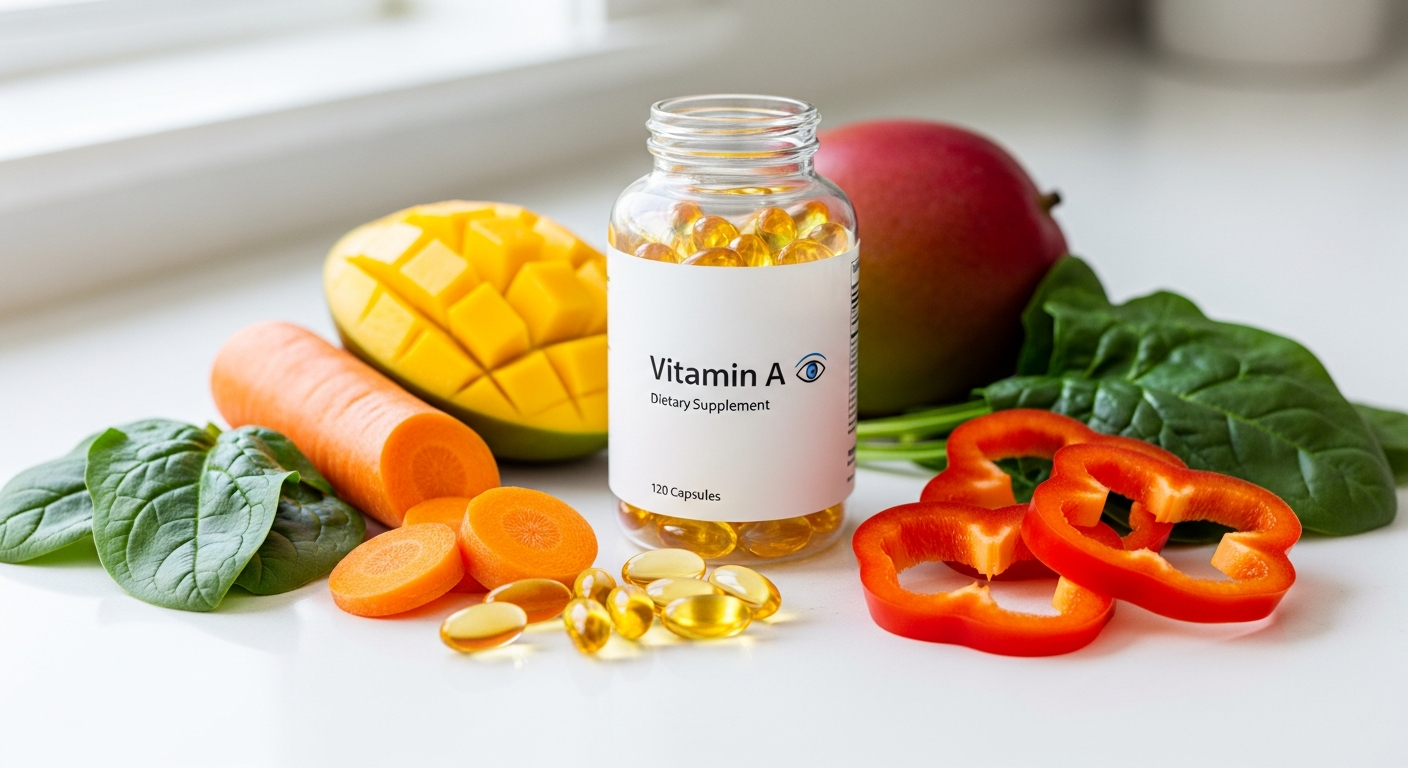
Vitamin A stands as one of the most crucial fat-soluble vitamins your body needs to function optimally. While many people associate it primarily with eye health, scientific research reveals that this essential nutrient plays far more complex and widespread roles throughout your body. From supporting immune function to maintaining healthy skin and promoting proper cellular development, vitamin A’s benefits extend well beyond what most people realize.
This comprehensive review examines what current scientific evidence tells us about vitamin A’s health benefits, helping you understand why maintaining adequate levels of this vital nutrient should be a priority for your overall wellness strategy.
Contents
Understanding Vitamin A: Forms and Functions
Vitamin A exists in two primary forms in your diet. Preformed vitamin A (retinol) comes from animal sources like liver, fish, and dairy products, while provitamin A carotenoids, particularly beta-carotene, are found in colorful fruits and vegetables. Your body converts these carotenoids into active vitamin A as needed.
Once absorbed, vitamin A transforms into several active compounds, including retinal for vision, retinoic acid for gene regulation, and retinol for storage and transport. This versatility allows vitamin A to influence numerous biological processes simultaneously.
Vision and Eye Health
Night Vision and Light Adaptation
Vitamin A’s role in vision represents one of its most well-documented functions. The vitamin forms a crucial component of rhodopsin, a protein in your retinal photoreceptor cells that enables you to see in low-light conditions. Without adequate vitamin A, your eyes cannot adapt properly to darkness, leading to night blindness.
Research demonstrates that vitamin A deficiency remains a leading cause of preventable blindness worldwide, particularly affecting children in developing countries. Even mild deficiencies can impair your ability to adapt to changing light conditions.
Protecting Against Age-Related Eye Diseases
Beyond basic vision function, vitamin A and related carotenoids may help protect against age-related macular degeneration (AMD). The carotenoids lutein and zeaxanthin, which your body can convert to vitamin A, accumulate in the macula and act as natural filters against harmful blue light.
Studies suggest that people with higher dietary intakes of vitamin A and carotenoids have lower risks of developing advanced AMD, though more research is needed to establish definitive protective effects.
Immune System Support
Barrier Function Enhancement
Vitamin A plays a fundamental role in maintaining your body’s first line of defense against pathogens. It supports the integrity of mucous membranes in your respiratory tract, digestive system, and urinary tract. These barriers prevent harmful microorganisms from entering your body.
Vitamin A and immune function: retinoic acid modulates population dynamics in antigen receptor repertoire, 2017 demonstrates how vitamin A influences immune cell development and function at the molecular level.
Without adequate vitamin A, these protective barriers become compromised, increasing your susceptibility to infections and reducing your body’s ability to mount effective immune responses.
Immune Cell Development and Function
Vitamin A influences both innate and adaptive immunity. It’s essential for the proper development and function of various immune cells, including T-cells, B-cells, and natural killer cells. The vitamin also helps regulate inflammatory responses, ensuring your immune system responds appropriately to threats without causing excessive inflammation.
Research indicates that vitamin A deficiency can lead to increased infection rates and more severe illness outcomes, while adequate levels support faster recovery and better disease resistance.
Skin Health and Cellular Development
Cellular Growth and Differentiation
Vitamin A serves as a master regulator of cellular growth and differentiation throughout your body. It influences gene expression through its active form, retinoic acid, which binds to specific receptors in cell nuclei and modulates the production of various proteins.
This regulatory function proves particularly important for rapidly dividing tissues like skin, where vitamin A helps maintain proper cell turnover and prevents abnormal cellular development.
Skin Structure and Repair
Your skin relies heavily on vitamin A for maintaining its structure and repair mechanisms. The vitamin supports collagen production, promotes healthy sebum production, and facilitates wound healing. It also helps maintain the skin’s natural moisture barrier.
Oral and topical retinoids for acne: a systematic review, 2012 provides evidence for vitamin A’s therapeutic effects on various skin conditions, including acne and photoaging.
Many dermatological treatments utilize vitamin A derivatives (retinoids) to address conditions ranging from acne to premature aging, highlighting the vitamin’s crucial role in skin health.
Reproductive Health and Development
Embryonic Development
Vitamin A plays critical roles during pregnancy and fetal development. It’s essential for proper organ formation, including the heart, lungs, kidneys, eyes, and bones. The vitamin also influences placental development and function.
However, both deficiency and excess can cause problems during pregnancy. Severe deficiency increases risks of maternal mortality and birth defects, while excessive intake, particularly of preformed vitamin A, can cause teratogenic effects.
Reproductive Function
Research suggests vitamin A influences reproductive health in both men and women. In males, it supports sperm production and quality. In females, it may influence ovarian function and menstrual cycle regulation, though more research is needed to fully understand these relationships.
Antioxidant Properties and Disease Prevention
Cellular Protection
Many forms of vitamin A, particularly carotenoids, exhibit potent antioxidant properties. They help neutralize harmful free radicals that can damage cellular structures and contribute to chronic diseases.
Vitamin A and carotenoids and the risk of Parkinson’s disease: a systematic review and meta-analysis, 2015 explores how vitamin A’s antioxidant properties might help protect against neurodegenerative diseases.
This antioxidant activity may contribute to vitamin A’s protective effects against various chronic conditions, including cardiovascular disease, certain cancers, and cognitive decline.
Cancer Prevention Potential
Some studies suggest adequate vitamin A intake may help reduce cancer risk, particularly for lung, prostate, and bladder cancers. The vitamin’s role in regulating cellular growth and differentiation may help prevent the development of cancerous cells.
However, the relationship between vitamin A and cancer prevention remains complex, with some studies showing protective effects while others find no significant associations or even potential risks with supplementation.
Dosage and Safety Considerations
The recommended daily allowance for vitamin A varies by age and gender, ranging from 300-400 micrograms for children to 700-900 micrograms for adults. Pregnant and breastfeeding women have slightly different requirements.
While vitamin A deficiency can cause serious health problems, excessive intake can also be harmful. Acute toxicity can cause nausea, headaches, and dizziness, while chronic overconsumption may lead to liver damage, bone problems, and birth defects during pregnancy.
Beta-carotene and other provitamin A carotenoids are generally safer than preformed vitamin A because your body regulates their conversion based on need.
🌿 Looking for Vitamin A Supplements?
Browse top-rated Vitamin A supplements, independently tested and recommended by our editorial team.
Affiliate disclosure: We may earn a small commission at no extra cost to you.
Frequently Asked Questions
What are the best food sources of vitamin A?
The richest sources include liver, fish liver oils, egg yolks, and dairy products for preformed vitamin A. For carotenoids, focus on orange and yellow vegetables like carrots, sweet potatoes, and squash, plus dark leafy greens like spinach and kale.
Can you get too much vitamin A from food alone?
It’s difficult to reach toxic levels through food alone, except with frequent consumption of liver or other organ meats. Most cases of vitamin A toxicity result from high-dose supplements or medications containing synthetic retinoids.
How long does it take to correct a vitamin A deficiency?
Mild deficiencies may improve within weeks of adequate supplementation, but severe deficiencies can take several months to fully correct. Night vision problems often improve relatively quickly, while other symptoms may take longer to resolve.
Are there any medications that interact with vitamin A?
Yes, certain medications can interact with vitamin A supplements, including some antibiotics, anticoagulants, and acne medications. Always consult your healthcare provider before starting vitamin A supplements if you take prescription medications.
Should I take vitamin A supplements or focus on dietary sources?
Most people can meet their vitamin A needs through a balanced diet rich in colorful fruits and vegetables. Supplements may be necessary for those with absorption disorders, strict dietary restrictions, or clinically diagnosed deficiencies, but should be taken under professional guidance.
Medical Disclaimer
This article is for informational purposes only and does not constitute medical advice. The information provided should not be used to diagnose, treat, cure, or prevent any disease or medical condition. Always consult with a qualified healthcare professional before making changes to your diet, taking supplements, or if you have concerns about vitamin A deficiency or toxicity. Individual nutritional needs vary, and what works for one person may not be appropriate for another. If you are pregnant, breastfeeding, taking medications, or have any medical conditions, seek professional medical advice before using vitamin A supplements.