
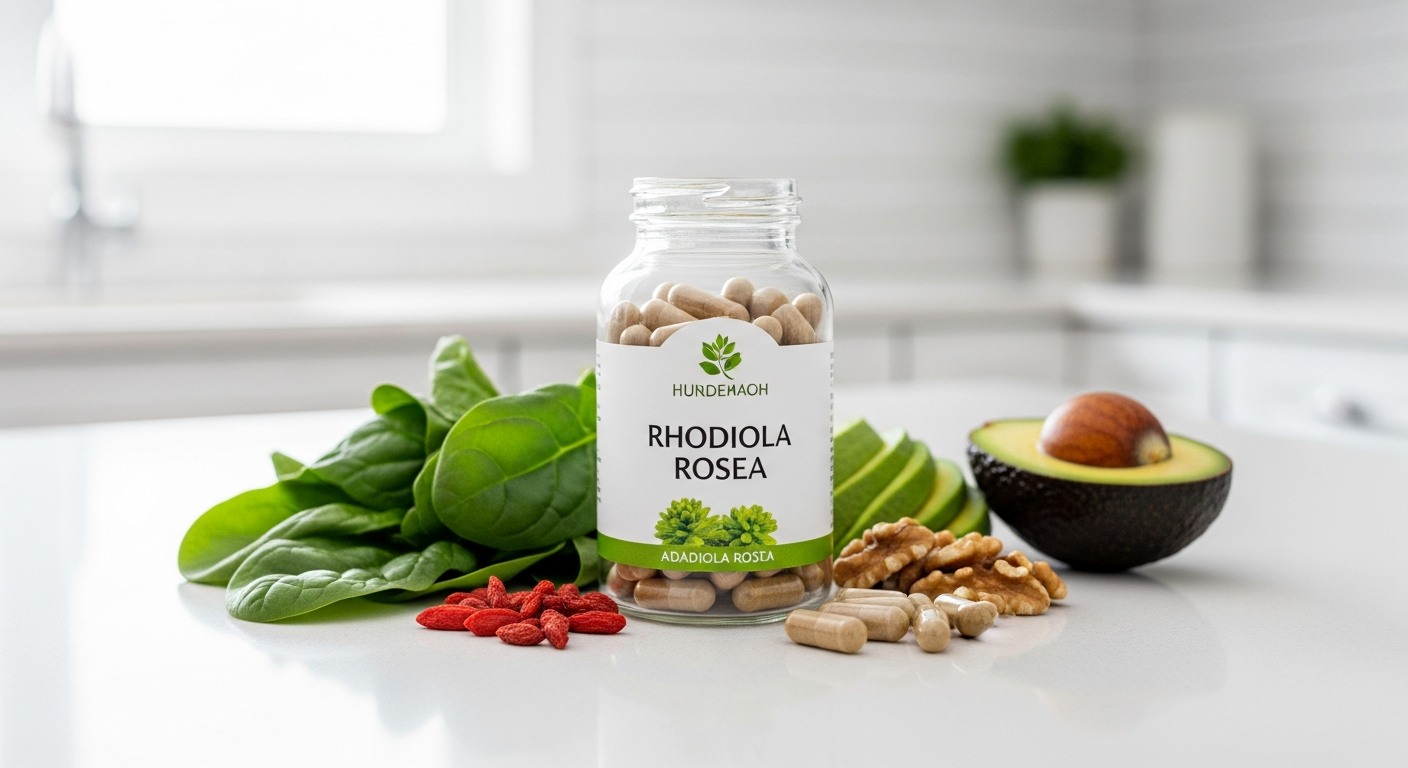
Rhodiola rosea, commonly known as golden root or arctic root, is a remarkable adaptogenic herb that has captured the attention of both traditional healers and modern researchers. Growing in the harsh, cold climates of mountainous regions across Europe, Asia, and North America, this hardy plant has developed unique compounds that may help the human body adapt to various forms of stress. As interest in natural health solutions continues to grow, rhodiola has emerged as one of the most promising botanical supplements backed by scientific research.
Contents
What is Rhodiola Rosea?
Rhodiola rosea belongs to the family Crassulaceae and thrives in high-altitude environments where few other plants can survive. The root of this perennial flowering plant contains over 140 chemical compounds, with the most important being rosavin, salidroside, and tyrosol. These bioactive compounds are primarily responsible for rhodiola’s therapeutic effects and are standardized in quality supplements.
Traditionally used in Scandinavian and Russian folk medicine for centuries, rhodiola was historically consumed to enhance physical endurance, improve work performance, and combat fatigue in harsh climates. The Vikings reportedly used rhodiola to enhance their physical strength and endurance during long journeys and battles.
The Science Behind Rhodiola’s Effects
Adaptogenic Properties
Rhodiola is classified as an adaptogen, a unique class of herbs that help the body maintain homeostasis during times of stress. Adaptogens work by modulating the hypothalamic-pituitary-adrenal (HPA) axis, which is the body’s primary stress response system. When we encounter stress, whether physical, mental, or emotional, the HPA axis triggers the release of stress hormones like cortisol.
Research suggests that rhodiola helps normalize cortisol levels and supports the body’s natural stress response mechanisms. This regulation can lead to improved stress resilience and better overall adaptation to challenging circumstances.
Key Bioactive Compounds
The therapeutic effects of rhodiola are attributed to its unique phytochemical profile. Rosavin, rosarin, and rosin are phenylpropanoids found exclusively in Rhodiola rosea, distinguishing it from other Rhodiola species. Salidroside, a phenylethanol derivative, is considered one of the most important active compounds and is found in various Rhodiola species.
These compounds work synergistically to influence neurotransmitter systems, cellular energy production, and antioxidant pathways throughout the body.
Evidence-Based Health Benefits
Stress Management and Mental Performance
One of the most well-documented benefits of rhodiola is its ability to improve stress management and cognitive performance. A randomized, double-blind, placebo-controlled study published in 2009 examined the effects of rhodiola extract on stress-related fatigue. Participants who received rhodiola showed significant improvements in attention, cognitive function, and overall quality of life compared to the placebo group.
The herb appears to enhance mental clarity and focus during stressful periods, making it particularly valuable for individuals dealing with work-related stress, academic pressure, or demanding life circumstances. Users often report improved concentration, better decision-making abilities, and enhanced mental stamina.
Physical Performance and Endurance
Rhodiola’s traditional use for enhancing physical performance has been supported by modern research. Studies suggest that the herb may improve exercise capacity, reduce perceived exertion, and accelerate recovery from physical activity. The mechanisms behind these effects likely involve improved oxygen utilization, enhanced cellular energy production, and better adaptation to physical stress.
Athletes and fitness enthusiasts have reported increased endurance, reduced fatigue during workouts, and faster recovery times when supplementing with rhodiola. However, individual responses can vary, and more research is needed to fully understand optimal dosing protocols for athletic performance.
Mood Support and Depression
Emerging research indicates that rhodiola may have mood-supporting properties and could be beneficial for individuals experiencing mild to moderate depression. A pilot study published in 2007 investigated rhodiola’s effects on generalized anxiety disorder, finding that participants experienced significant reductions in anxiety symptoms over a 10-week period.
The herb’s influence on neurotransmitter systems, particularly serotonin, dopamine, and norepinephrine, may contribute to its mood-enhancing effects. Additionally, by helping to regulate stress hormones, rhodiola may indirectly support emotional well-being and resilience.
Fatigue Reduction
Chronic fatigue is a common complaint in modern society, and rhodiola has shown promise in addressing various types of fatigue. A systematic review published in 2016 analyzed multiple studies on rhodiola’s anti-fatigue effects, concluding that the herb consistently demonstrated beneficial effects on both physical and mental fatigue across different populations.
Whether dealing with work-related burnout, seasonal fatigue, or general tiredness, rhodiola may help restore energy levels and improve overall vitality. The herb appears to work by optimizing cellular energy production and supporting the body’s natural energy systems.
How to Use Rhodiola Safely
Recommended Dosage
Most research on rhodiola has used standardized extracts containing 2-3% rosavin and 0.8-1% salidroside. Typical dosing ranges from 200-600 mg daily, usually taken in divided doses. It’s generally recommended to take rhodiola on an empty stomach, about 30 minutes before meals, to optimize absorption.
For stress management and cognitive support, many people find 200-400 mg daily to be effective. Those seeking physical performance benefits may require higher doses, up to 600 mg daily, though individual tolerance should always be considered.
Timing and Duration
Rhodiola is often most effective when taken in the morning or early afternoon, as it can be mildly stimulating for some individuals. Taking it too late in the day may interfere with sleep in sensitive people. Many users report feeling effects within a few days to weeks of consistent use, though optimal benefits may take 4-6 weeks to fully develop.
Cycling protocols, such as taking rhodiola for 6-8 weeks followed by a 2-week break, may help maintain its effectiveness and prevent tolerance, though this approach requires more research to establish definitive guidelines.
Potential Side Effects and Considerations
Rhodiola is generally well-tolerated by most people, with few reported adverse effects in clinical studies. However, some individuals may experience mild side effects, particularly when starting supplementation or taking higher doses.
The most commonly reported side effects include mild dizziness, dry mouth, or slight jitteriness, especially in sensitive individuals. These effects are typically temporary and may resolve as the body adapts to the supplement. Some people may also experience vivid dreams or mild sleep disturbances if taken too close to bedtime.
Individuals with bipolar disorder should exercise caution with rhodiola, as some case reports suggest it might potentially trigger manic episodes in susceptible individuals. Those taking medications for depression, anxiety, or other mental health conditions should consult with their healthcare provider before adding rhodiola to their regimen.
🌿 Looking for Rhodiola Rosea Supplements?
Browse top-rated Rhodiola Rosea supplements, independently tested and recommended by our editorial team.
Shop Rhodiola Rosea on Amazon →
Affiliate disclosure: We may earn a small commission at no extra cost to you.
Frequently Asked Questions
How long does it take for rhodiola to work?
Most people begin to notice subtle effects within 3-7 days of consistent use, with more pronounced benefits typically developing over 2-6 weeks. Individual responses can vary based on factors such as dosage, individual sensitivity, and the specific health concerns being addressed.
Can I take rhodiola with other supplements?
Rhodiola generally combines well with other supplements and is often stacked with other adaptogens like ashwagandha or ginseng. However, it’s advisable to introduce supplements gradually and monitor your response. Consult with a healthcare provider if you’re taking multiple supplements or medications.
Is rhodiola safe for long-term use?
Current research suggests that rhodiola is safe for long-term use in healthy individuals when taken at recommended dosages. However, periodic breaks or cycling protocols may be beneficial to maintain effectiveness and minimize any potential for tolerance.
Should rhodiola be taken with food?
Rhodiola is typically best absorbed when taken on an empty stomach, about 30 minutes before meals. However, if you experience stomach upset, taking it with a small amount of food is acceptable and may still provide benefits.
Who should avoid rhodiola supplementation?
Individuals with bipolar disorder, those taking certain medications (particularly antidepressants), pregnant or nursing women, and people with autoimmune conditions should consult healthcare providers before using rhodiola. Additionally, those sensitive to stimulants may want to start with lower doses.
Medical Disclaimer
This article is for informational purposes only and is not intended to diagnose, treat, cure, or prevent any disease. The information provided should not be considered a substitute for professional medical advice, diagnosis, or treatment. Always consult with a qualified healthcare provider before starting any new supplement regimen, especially if you have pre-existing health conditions, are taking medications, or are pregnant or nursing. Individual results may vary, and the FDA has not evaluated these statements.